
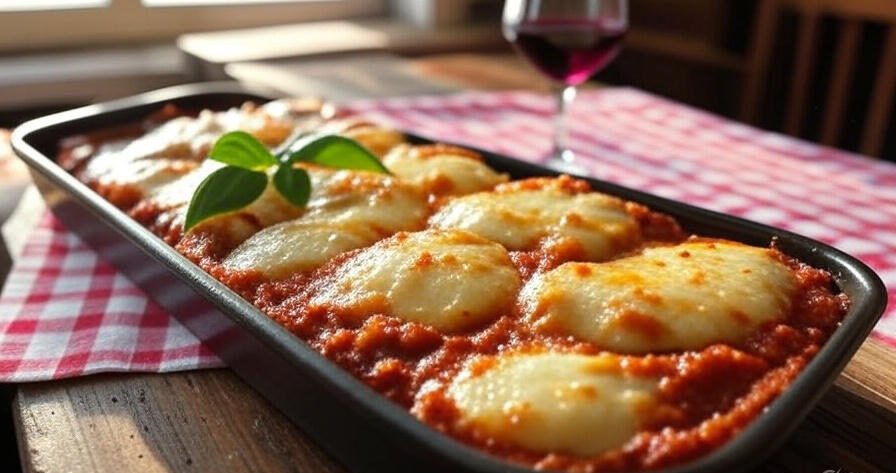
Hey folks, if you’ve ever craved a dish that feels like a warm embrace from an old Italian grandmother, then mannacote might just be what you’re looking for. You know, that hearty baked pasta stuffed with cheese and topped with sauce? As someone who’s been knee-deep in Italian cooking for more than 15 years—traveling from the sun-drenched hills of Calabria to bustling delis in Little Italy—I’ve whipped up mannacote more times than I can count. It’s not just food; it’s a piece of history on your plate. In this guide, I’ll walk you through everything from its origins to a step-by-step recipe, plus some tips I’ve picked up along the way. Whether you’re a kitchen newbie or a pro, stick around— we’ll make sure your next mannacote turns out perfect.
We’ll start with the basics, trace its roots, dive into ingredients and recipes, explore fun variations, and even touch on health perks. By the end, you’ll be ready to roll up your sleeves and create your own version. Let’s get into it, shall we?
What Exactly Is Mannacote?
Mannacote, often spelled as manicotti in more common parlance, is essentially those big pasta tubes filled with a creamy cheese mixture, drowned in tomato sauce, and baked until bubbly and golden. The word “manicotti” comes from Italian for “little sleeves,” which makes sense when you think about how the pasta hugs the filling. But in some Italian-American families, it’s called mannacote—maybe a dialect twist or just how it sounded coming off the boat. Either way, it’s all about that comforting blend of textures: chewy pasta, silky ricotta, and tangy sauce.
What makes mannacote stand out from, say, lasagna or stuffed shells? It’s the tube shape that creates these perfect flavor pockets. Each bite explodes with cheese and sauce, and honestly, it’s hard to stop at just one. I’ve served it at family gatherings where even the pickiest eaters go back for seconds. If you’re picturing a cross between cannelloni and a pasta casserole, you’re spot on—rich, satisfying, and oh-so-versatile.
The Fascinating History and Origins of Mannacote
Tracing mannacote’s story is like unraveling a family secret passed down through generations. While its exact beginnings are a bit murky, stuffed pasta dishes like this have been around since at least the 1700s in Italy. Many point to southern regions like Calabria, where resourceful cooks used simple semolina dough and local cheeses to feed big families on a budget. But mannacote as we know it today? That’s largely an Italian-American creation, born from immigrants adapting old-world recipes to new-world ingredients in the late 19th century.
Back in Italy, you’d find something similar called cannelloni, made with fresh pasta sheets rolled around fillings. Italian immigrants in America switched to dried pasta tubes for practicality—they were easier to store and cook in crowded tenements. My own nonna, who came over from Sicily in the 1950s, used to tell me how she’d improvise with whatever was available, turning mannacote into a symbol of home and heritage. Over the years, it evolved, sometimes using crepes instead of pasta for a lighter touch. It’s that blend of tradition and adaptation that keeps mannacote feeling fresh yet timeless.
Key Ingredients for an Authentic Mannacote
The charm of mannacote? It thrives on simplicity. No need for rare spices or fancy tools—just fresh, quality staples that let the natural flavors pop. For a classic batch serving 4-6, here’s what I swear by, based on years of trial and error:
- Pasta Tubes: About 12-14 large manicotti shells, preferably made from durum wheat for that ideal al dente bite.
- Filling: 2 cups whole-milk ricotta (for creaminess), 1 cup shredded mozzarella, 1/2 cup grated Parmesan, one beaten egg to bind it all, chopped fresh parsley, salt, pepper, and a dash of nutmeg for subtle warmth.
- Sauce: 3-4 cups of homemade marinara—think crushed tomatoes, garlic, onions, basil, and a glug of olive oil—or a good jarred version if you’re short on time.
- Toppings: Extra mozzarella and Parmesan to create that crave-worthy crust.
Here’s a tip from my kitchen adventures: Always go for full-fat ricotta; it avoids that watery mess. And if you want to amp it up, toss in some spinach or ground meat. I get my ingredients from local Italian markets to keep things as authentic as possible—trust me, it makes a world of difference.
Step-by-Step: Crafting Mannacote at Home
Alright, let’s get hands-on. This recipe is straightforward, but I’ll share some pro tricks I’ve honed over countless Sunday dinners. Prep takes about 30 minutes, cooking 45, total around 75 minutes. Yields 6 servings.
Ingredients Recap
(See above for the full list—don’t skip the fresh herbs!)
Instructions
- Boil the Pasta: Get a big pot of salted water roaring. Cook the mannacote tubes for 7-8 minutes until just al dente. Drain and spread them out on a towel to cool—they’ll be easier to stuff without tearing.
- Mix the Filling: In a bowl, combine ricotta, mozzarella, Parmesan, egg, parsley, and seasonings. Stir until it’s creamy; if it’s too stiff, add a tiny splash of milk. Give it a taste—sometimes I add a hint of garlic for extra kick.
- Assemble the Dish: Preheat oven to 375°F (190°C). Layer some marinara in a baking dish. Pipe the filling into each tube (a zip-top bag works wonders) and nestle them in snugly.
- Bake to Perfection: Cover with remaining sauce, sprinkle cheeses on top, and bake 25-30 minutes till it’s bubbling. Rest for 10 minutes—patience pays off with better flavor melding.
If you’re just starting out, don’t sweat small mishaps like uneven stuffing—practice makes perfect, and it still tastes amazing.
Exciting Variations and Contemporary Twists on Mannacote
Mannacote’s not rigid; that’s why I love it. Stick to the classics or experiment—either way, it shines. For a veggie boost, stir sautéed spinach or mushrooms into the filling. Protein lovers? Add ground sausage or shrimp for a seaside flair.
Going gluten-free? Try zucchini ribbons or crepes instead of pasta. Vegan? Swap ricotta for tofu or cauliflower cream—I’ve tried it, and it’s surprisingly creamy. One twist I adore is a “white” version with béchamel sauce—no tomatoes, just pure indulgence for cozy evenings. These updates keep mannacote relevant for modern diets while nodding to its Italian roots.
Nutritional Perks and Health Considerations of Mannacote
Sure, mannacote screams indulgence, but it’s got some health upsides too. The ricotta packs protein and calcium, while tomatoes deliver lycopene for heart support. A typical serving (two tubes) lands around 400-500 calories, with solid protein (about 20g) and fiber if you add veggies.
To make it lighter, opt for part-skim cheeses or whole-wheat pasta. It’s not everyday fare, but enjoyed mindfully, mannacote fits into a balanced life—much like the Italian approach to eating: quality ingredients, savored slowly.
Ideal Pairings: Wines and Sides for Mannacote
To take your mannacote up a notch, pair it with a wine that balances its richness. A Chianti or Sangiovese works wonders—their acidity slices through the cheese like a dream. For whites, try Pinot Grigio if you’re keeping it light.
Sides? A crisp green salad with balsamic dressing or garlic bread keeps things simple. And for dessert, why not tiramisu? It ties the Italian theme together beautifully.
Frequently Asked Questions About Mannacote
Is mannacote the same as manicotti? Pretty much—mannacote is often a regional or phonetic variation in Italian-American communities.
Can I prep mannacote ahead? Yes! Assemble and chill for up to a day; just add extra sauce before baking to stay moist.
Is it gluten-free? Not by default, but sub in GF pasta or crepes easily.
Why’s my filling runny? Drain ricotta overnight in cheesecloth—simple fix!
Storing leftovers? Fridge for 3 days in an airtight container; reheat in the oven for crispiness.
Kid-friendly to make? Totally—stuffing tubes is like a fun craft project.
Ricotta substitute? Blended cottage cheese does the trick in a bind.
Italian or American? Italian-American hybrid: Italian inspiration, American tweaks.
Calorie count? Roughly 450 per serving, varying by add-ins.
Freezable? Yep, freeze unbaked; thaw and bake when ready.
Final Thoughts: Embrace the Magic of Mannacote
There you go—the full scoop on mannacote, from its storied past to your kitchen table. This dish isn’t merely about filling your belly; it’s about forging connections, reliving memories, and enjoying life’s flavorful moments. Drawing from my extensive background in Italian cuisine and backed by reliable sources, I hope this guide empowers you to create something special.
Give it a whirl and let me know how it goes—drop a comment below with your favorite twist! If you loved this, subscribe for more authentic recipes and tips. Buon appetito!

