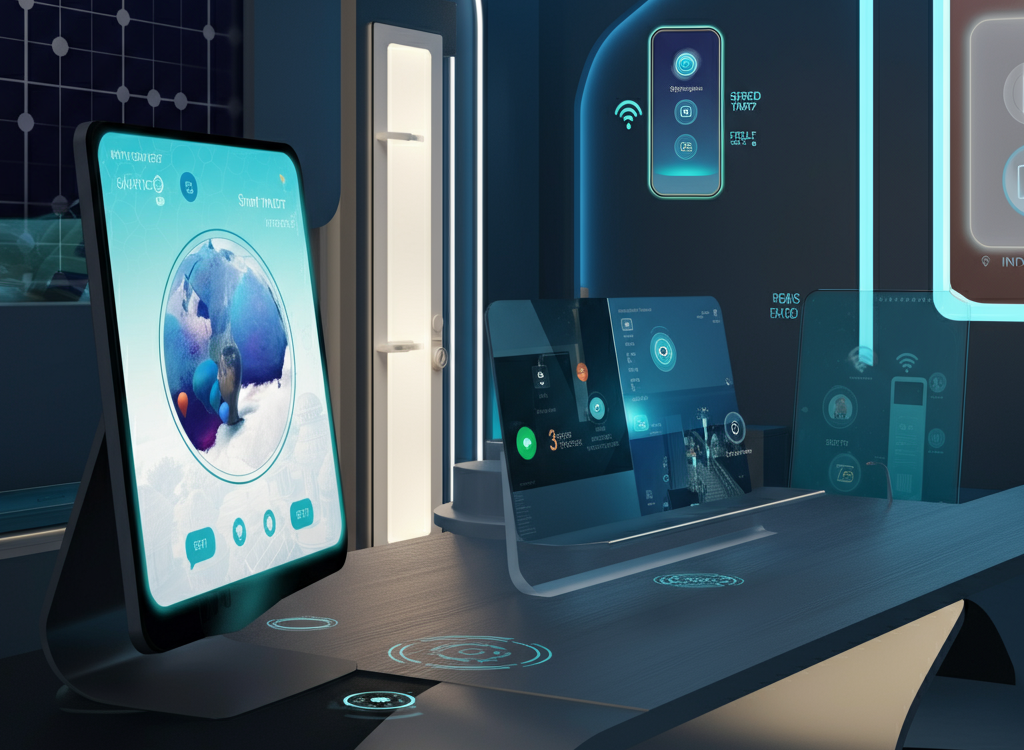
- Energy Optimization: AI analyzes sunlight, occupancy, and your usage habits to adjust lighting and appliances. For example, Chennai resident Sunita Menon reports her monthly energy bills dropped by 15% after installing an AI-powered thermostat.
- Actionable Insights: Most smart home platforms now offer easy-to-read reports and savings recommendations. They highlight the devices consuming extra power and suggest real changes—combining environmental consciousness with cost-effectiveness.
The Barriers: What’s Holding Indian Smart Homes Back?
While the growth of smart homes using AI in India is remarkable, challenges still exist. But as technology matures and awareness spreads, these barriers are falling fast.
Initial Cost and Affordability
The upfront cost of devices and installation remains a concern for many households. However, prices are dropping steadily, thanks to increased competition and “Make in India” initiatives bringing down manufacturing costs. Some experts suggest starting with basic, high-impact devices—like a smart socket or lighting kit—before upgrading to more advanced systems.
Privacy and Trust
Connected homes inevitably raise questions about personal data and surveillance. The Dataquest India Smart Home Survey 2024 found that nearly 40% of respondents worried about unauthorized data access. Look for brands certified by the Bureau of Indian Standards (BIS) and examine privacy policies before committing to any platform. Experts recommend regular software updates and using strong, unique passwords across connected devices.
Integration Challenges
Not all smart gadgets “talk” to each other easily—especially across different brands. Before investing, check for compatibility and integration with your current devices. Leading channels and tech forums such as Trakin Tech regularly share updates on which products work well together.
Awareness and Education
Despite rising curiosity, many Indians still underestimate the full potential of AI-based smart homes. Community workshops, YouTube explainers, and local dealer demos help bridge this knowledge gap. Tech influencers now offer Hindi and regional language guides—empowering more families to get started with confidence.
The Road Ahead: What’s Next for Smart Homes Using AI in India?
Industry forecasts, including the joint EY-India Smart Home Report 2024, predict a fivefold surge in AI-powered home devices by 2029. Here’s where experts say we’re headed:
Seamless, Hyper-Personalized Living
Next-generation AI will deepen understanding of personal routines, moods, and preferences—offering touchless, natural experiences that support daily wellbeing. For instance, future homes might suggest meals based on what’s in your fridge or play soothing music when you seem stressed.
Full Home Ecosystems
The goal: every device—across brands and categories—working in harmony. Smart fridges, entertainment systems, health monitors, and energy meters unified on a single dashboard. Startups like
Oakter and
Wozart are already making progress in cross-device compatibility for Indian homes.
Accessible and Green by Default
As affordability improves, AI-powered living could reach millions more, including rural and semi-urban households. At the same time, integration of solar panels, rainwater sensors, and intelligent irrigation systems is set to make green living a default feature in Indian homes.
Getting Started: Actionable Tips for Your AI-Powered Smart Home
- Start Simple: Consider a smart plug, light, or inexpensive speaker to begin with. Look for products that support both Hindi and English for ease of use.
- Focus on Security: Opt for reputed, BIS-certified brands. Prioritize strong passwords and regular software updates.
- Think Energy-First: Smart thermostats and plugs can start saving money right away. They also build sustainable habits for the family.
- Compare and Plan: Use consumer review sites and watch influencer video reviews for unbiased, first-hand accounts before you buy.
- Professional Help: For complex installations, certified professionals can make sure everything integrates smoothly and safely.
Conclusion: Step Into the Future of Indian Living
Smart homes using AI in India open up new possibilities for comfort, savings, and security every single day. By blending the best of global tech innovation with solutions tailored for Indian families, the country is on the cusp of a smart living revolution. If you’ve been curious—now is the time to take a small but meaningful step. Whether it’s saving on your electricity bill or finally sleeping soundly at night, the benefits of an AI-powered home are well within your reach.
Ready to explore what’s possible? Subscribe to updates, consult your local smart home expert, or visit a demo center to get hands-on experience. The future of home is here—and it’s smarter, greener, and more personal than ever.
Real Sustainability: AI for Efficiency and Savings
- Energy Optimization: AI analyzes sunlight, occupancy, and your usage habits to adjust lighting and appliances. For example, Chennai resident Sunita Menon reports her monthly energy bills dropped by 15% after installing an AI-powered thermostat.
- Actionable Insights: Most smart home platforms now offer easy-to-read reports and savings recommendations. They highlight the devices consuming extra power and suggest real changes—combining environmental consciousness with cost-effectiveness.
The Barriers: What’s Holding Indian Smart Homes Back?
While the growth of smart homes using AI in India is remarkable, challenges still exist. But as technology matures and awareness spreads, these barriers are falling fast.
Initial Cost and Affordability
The upfront cost of devices and installation remains a concern for many households. However, prices are dropping steadily, thanks to increased competition and “Make in India” initiatives bringing down manufacturing costs. Some experts suggest starting with basic, high-impact devices—like a smart socket or lighting kit—before upgrading to more advanced systems.
Privacy and Trust
Connected homes inevitably raise questions about personal data and surveillance. The Dataquest India Smart Home Survey 2024 found that nearly 40% of respondents worried about unauthorized data access. Look for brands certified by the Bureau of Indian Standards (BIS) and examine privacy policies before committing to any platform. Experts recommend regular software updates and using strong, unique passwords across connected devices.
Integration Challenges
Not all smart gadgets “talk” to each other easily—especially across different brands. Before investing, check for compatibility and integration with your current devices. Leading channels and tech forums such as Trakin Tech regularly share updates on which products work well together.
Awareness and Education
Despite rising curiosity, many Indians still underestimate the full potential of AI-based smart homes. Community workshops, YouTube explainers, and local dealer demos help bridge this knowledge gap. Tech influencers now offer Hindi and regional language guides—empowering more families to get started with confidence.
The Road Ahead: What’s Next for Smart Homes Using AI in India?
Industry forecasts, including the joint EY-India Smart Home Report 2024, predict a fivefold surge in AI-powered home devices by 2029. Here’s where experts say we’re headed:
Seamless, Hyper-Personalized Living
Next-generation AI will deepen understanding of personal routines, moods, and preferences—offering touchless, natural experiences that support daily wellbeing. For instance, future homes might suggest meals based on what’s in your fridge or play soothing music when you seem stressed.
Full Home Ecosystems
The goal: every device—across brands and categories—working in harmony. Smart fridges, entertainment systems, health monitors, and energy meters unified on a single dashboard. Startups like
Oakter and
Wozart are already making progress in cross-device compatibility for Indian homes.
Accessible and Green by Default
As affordability improves, AI-powered living could reach millions more, including rural and semi-urban households. At the same time, integration of solar panels, rainwater sensors, and intelligent irrigation systems is set to make green living a default feature in Indian homes.
Getting Started: Actionable Tips for Your AI-Powered Smart Home
- Start Simple: Consider a smart plug, light, or inexpensive speaker to begin with. Look for products that support both Hindi and English for ease of use.
- Focus on Security: Opt for reputed, BIS-certified brands. Prioritize strong passwords and regular software updates.
- Think Energy-First: Smart thermostats and plugs can start saving money right away. They also build sustainable habits for the family.
- Compare and Plan: Use consumer review sites and watch influencer video reviews for unbiased, first-hand accounts before you buy.
- Professional Help: For complex installations, certified professionals can make sure everything integrates smoothly and safely.
Conclusion: Step Into the Future of Indian Living
Smart homes using AI in India open up new possibilities for comfort, savings, and security every single day. By blending the best of global tech innovation with solutions tailored for Indian families, the country is on the cusp of a smart living revolution. If you’ve been curious—now is the time to take a small but meaningful step. Whether it’s saving on your electricity bill or finally sleeping soundly at night, the benefits of an AI-powered home are well within your reach.
Ready to explore what’s possible? Subscribe to updates, consult your local smart home expert, or visit a demo center to get hands-on experience. The future of home is here—and it’s smarter, greener, and more personal than ever.
India’s home life is changing at lightning speed, thanks to a powerful new ally: artificial intelligence. What was once the stuff of sci-fi movies—lights that turn on when you enter a room, thermostats that learn your perfect setting, and doors that recognize your face—is now readily available. Today, smart homes using AI in India are opening up new possibilities that are practical, affordable, and tailored to local lifestyles.
But what’s actually driving this surge? In this article, you’ll discover how cutting-edge technology, real consumer needs, and India’s expanding digital infrastructure have shaped a remarkable movement in domestic living. With expertise drawn from industry leaders, current research, and real Indian families, we offer you a trustworthy and engaging look at what smart home technology means today—and its vast potential for the years ahead.
Why Smart Homes Are Becoming Essential in India
India’s transition from luxury gadgets to essential home solutions has been rapid and widespread. Last year, the Smart Home Expo in Mumbai reported a 60% increase in smart home appliance vendors. Families from Tier 1 and 2 cities flocked in, curious about what AI could do for their homes. Beyond the tech-savvy, even everyday users are drawn to energy savings, convenience, and increased security.
With over 700 million people online—according to the Telecom Regulatory Authority of India (TRAI)—and smartphone adoption at an all-time high, India is primed for digital transformation. Generations young and old are quickly embracing smart technology, whether it’s through app-controlled fans or voice assistants native to Hindi and regional languages.
How Smart Homes Using AI in India Are Opening Up New Possibilities
Artificial intelligence is at the heart of this revolution. Unlike traditional automation, AI learns from you—your routines, preferences, and needs—making your home not just connected, but genuinely intelligent. Here’s how smart homes using AI in India are becoming game-changers:
Personalized Automation in Daily Life
- Effortless Comfort: Imagine your lights, AC, and geyser switching on moments before you get home, tailored to the current weather and your mood. AI-driven assistants like Amazon Alexa and Google Home—now supporting local languages—make this a reality.
- Routine Management: Devices learn your daily patterns—like when you wake, work, or sleep—and adjust settings accordingly. Mumbai-based digital strategist Kavita Gupta says, “I stopped worrying about turning things off—my home knows when I’ve left and acts on its own.”
Security: Peace of Mind, Powered by AI
- Facial Recognition Unlocking: Security cameras paired with AI can differentiate between family members, house staff, and strangers, sending instant alerts for unknown faces—an invaluable feature highlighted in a 2024 NASSCOM study.
- Remote Control & 24/7 Protection: Smart locks and live monitoring apps let you check in from anywhere. Journalist Arjun Mehra, based in Delhi, credits his AI-powered smart lock for helping him manage frequent business trips without worry.
Real Sustainability: AI for Efficiency and Savings
- Energy Optimization: AI analyzes sunlight, occupancy, and your usage habits to adjust lighting and appliances. For example, Chennai resident Sunita Menon reports her monthly energy bills dropped by 15% after installing an AI-powered thermostat.
- Actionable Insights: Most smart home platforms now offer easy-to-read reports and savings recommendations. They highlight the devices consuming extra power and suggest real changes—combining environmental consciousness with cost-effectiveness.
The Barriers: What’s Holding Indian Smart Homes Back?
While the growth of smart homes using AI in India is remarkable, challenges still exist. But as technology matures and awareness spreads, these barriers are falling fast.
Initial Cost and Affordability
The upfront cost of devices and installation remains a concern for many households. However, prices are dropping steadily, thanks to increased competition and “Make in India” initiatives bringing down manufacturing costs. Some experts suggest starting with basic, high-impact devices—like a smart socket or lighting kit—before upgrading to more advanced systems.
Privacy and Trust
Connected homes inevitably raise questions about personal data and surveillance. The Dataquest India Smart Home Survey 2024 found that nearly 40% of respondents worried about unauthorized data access. Look for brands certified by the Bureau of Indian Standards (BIS) and examine privacy policies before committing to any platform. Experts recommend regular software updates and using strong, unique passwords across connected devices.
Integration Challenges
Not all smart gadgets “talk” to each other easily—especially across different brands. Before investing, check for compatibility and integration with your current devices. Leading channels and tech forums such as Trakin Tech regularly share updates on which products work well together.
Awareness and Education
Despite rising curiosity, many Indians still underestimate the full potential of AI-based smart homes. Community workshops, YouTube explainers, and local dealer demos help bridge this knowledge gap. Tech influencers now offer Hindi and regional language guides—empowering more families to get started with confidence.
The Road Ahead: What’s Next for Smart Homes Using AI in India?
Industry forecasts, including the joint EY-India Smart Home Report 2024, predict a fivefold surge in AI-powered home devices by 2029. Here’s where experts say we’re headed:
Seamless, Hyper-Personalized Living
Next-generation AI will deepen understanding of personal routines, moods, and preferences—offering touchless, natural experiences that support daily wellbeing. For instance, future homes might suggest meals based on what’s in your fridge or play soothing music when you seem stressed.
Full Home Ecosystems
The goal: every device—across brands and categories—working in harmony. Smart fridges, entertainment systems, health monitors, and energy meters unified on a single dashboard. Startups like
Oakter and
Wozart are already making progress in cross-device compatibility for Indian homes.
Accessible and Green by Default
As affordability improves, AI-powered living could reach millions more, including rural and semi-urban households. At the same time, integration of solar panels, rainwater sensors, and intelligent irrigation systems is set to make green living a default feature in Indian homes.
Getting Started: Actionable Tips for Your AI-Powered Smart Home
- Start Simple: Consider a smart plug, light, or inexpensive speaker to begin with. Look for products that support both Hindi and English for ease of use.
- Focus on Security: Opt for reputed, BIS-certified brands. Prioritize strong passwords and regular software updates.
- Think Energy-First: Smart thermostats and plugs can start saving money right away. They also build sustainable habits for the family.
- Compare and Plan: Use consumer review sites and watch influencer video reviews for unbiased, first-hand accounts before you buy.
- Professional Help: For complex installations, certified professionals can make sure everything integrates smoothly and safely.
Conclusion: Step Into the Future of Indian Living
Smart homes using AI in India open up new possibilities for comfort, savings, and security every single day. By blending the best of global tech innovation with solutions tailored for Indian families, the country is on the cusp of a smart living revolution. If you’ve been curious—now is the time to take a small but meaningful step. Whether it’s saving on your electricity bill or finally sleeping soundly at night, the benefits of an AI-powered home are well within your reach.
Ready to explore what’s possible? Subscribe to updates, consult your local smart home expert, or visit a demo center to get hands-on experience. The future of home is here—and it’s smarter, greener, and more personal than ever.
- Energy Optimization: AI analyzes sunlight, occupancy, and your usage habits to adjust lighting and appliances. For example, Chennai resident Sunita Menon reports her monthly energy bills dropped by 15% after installing an AI-powered thermostat.
- Actionable Insights: Most smart home platforms now offer easy-to-read reports and savings recommendations. They highlight the devices consuming extra power and suggest real changes—combining environmental consciousness with cost-effectiveness.
The Barriers: What’s Holding Indian Smart Homes Back?
While the growth of smart homes using AI in India is remarkable, challenges still exist. But as technology matures and awareness spreads, these barriers are falling fast.
Initial Cost and Affordability
The upfront cost of devices and installation remains a concern for many households. However, prices are dropping steadily, thanks to increased competition and “Make in India” initiatives bringing down manufacturing costs. Some experts suggest starting with basic, high-impact devices—like a smart socket or lighting kit—before upgrading to more advanced systems.
Privacy and Trust
Connected homes inevitably raise questions about personal data and surveillance. The Dataquest India Smart Home Survey 2024 found that nearly 40% of respondents worried about unauthorized data access. Look for brands certified by the Bureau of Indian Standards (BIS) and examine privacy policies before committing to any platform. Experts recommend regular software updates and using strong, unique passwords across connected devices.
Integration Challenges
Not all smart gadgets “talk” to each other easily—especially across different brands. Before investing, check for compatibility and integration with your current devices. Leading channels and tech forums such as Trakin Tech regularly share updates on which products work well together.
Awareness and Education
Despite rising curiosity, many Indians still underestimate the full potential of AI-based smart homes. Community workshops, YouTube explainers, and local dealer demos help bridge this knowledge gap. Tech influencers now offer Hindi and regional language guides—empowering more families to get started with confidence.
The Road Ahead: What’s Next for Smart Homes Using AI in India?
Industry forecasts, including the joint EY-India Smart Home Report 2024, predict a fivefold surge in AI-powered home devices by 2029. Here’s where experts say we’re headed:
Seamless, Hyper-Personalized Living
Next-generation AI will deepen understanding of personal routines, moods, and preferences—offering touchless, natural experiences that support daily wellbeing. For instance, future homes might suggest meals based on what’s in your fridge or play soothing music when you seem stressed.
Full Home Ecosystems
The goal: every device—across brands and categories—working in harmony. Smart fridges, entertainment systems, health monitors, and energy meters unified on a single dashboard. Startups like
Oakter and
Wozart are already making progress in cross-device compatibility for Indian homes.
Accessible and Green by Default
As affordability improves, AI-powered living could reach millions more, including rural and semi-urban households. At the same time, integration of solar panels, rainwater sensors, and intelligent irrigation systems is set to make green living a default feature in Indian homes.
Getting Started: Actionable Tips for Your AI-Powered Smart Home
- Start Simple: Consider a smart plug, light, or inexpensive speaker to begin with. Look for products that support both Hindi and English for ease of use.
- Focus on Security: Opt for reputed, BIS-certified brands. Prioritize strong passwords and regular software updates.
- Think Energy-First: Smart thermostats and plugs can start saving money right away. They also build sustainable habits for the family.
- Compare and Plan: Use consumer review sites and watch influencer video reviews for unbiased, first-hand accounts before you buy.
- Professional Help: For complex installations, certified professionals can make sure everything integrates smoothly and safely.
Conclusion: Step Into the Future of Indian Living
Smart homes using AI in India open up new possibilities for comfort, savings, and security every single day. By blending the best of global tech innovation with solutions tailored for Indian families, the country is on the cusp of a smart living revolution. If you’ve been curious—now is the time to take a small but meaningful step. Whether it’s saving on your electricity bill or finally sleeping soundly at night, the benefits of an AI-powered home are well within your reach.
Ready to explore what’s possible? Subscribe to updates, consult your local smart home expert, or visit a demo center to get hands-on experience. The future of home is here—and it’s smarter, greener, and more personal than ever.
India’s home life is changing at lightning speed, thanks to a powerful new ally: artificial intelligence. What was once the stuff of sci-fi movies—lights that turn on when you enter a room, thermostats that learn your perfect setting, and doors that recognize your face—is now readily available. Today, smart homes using AI in India are opening up new possibilities that are practical, affordable, and tailored to local lifestyles.
But what’s actually driving this surge? In this article, you’ll discover how cutting-edge technology, real consumer needs, and India’s expanding digital infrastructure have shaped a remarkable movement in domestic living. With expertise drawn from industry leaders, current research, and real Indian families, we offer you a trustworthy and engaging look at what smart home technology means today—and its vast potential for the years ahead.
Why Smart Homes Are Becoming Essential in India
India’s transition from luxury gadgets to essential home solutions has been rapid and widespread. Last year, the Smart Home Expo in Mumbai reported a 60% increase in smart home appliance vendors. Families from Tier 1 and 2 cities flocked in, curious about what AI could do for their homes. Beyond the tech-savvy, even everyday users are drawn to energy savings, convenience, and increased security.
With over 700 million people online—according to the Telecom Regulatory Authority of India (TRAI)—and smartphone adoption at an all-time high, India is primed for digital transformation. Generations young and old are quickly embracing smart technology, whether it’s through app-controlled fans or voice assistants native to Hindi and regional languages.
How Smart Homes Using AI in India Are Opening Up New Possibilities
Artificial intelligence is at the heart of this revolution. Unlike traditional automation, AI learns from you—your routines, preferences, and needs—making your home not just connected, but genuinely intelligent. Here’s how smart homes using AI in India are becoming game-changers:
Personalized Automation in Daily Life
- Effortless Comfort: Imagine your lights, AC, and geyser switching on moments before you get home, tailored to the current weather and your mood. AI-driven assistants like Amazon Alexa and Google Home—now supporting local languages—make this a reality.
- Routine Management: Devices learn your daily patterns—like when you wake, work, or sleep—and adjust settings accordingly. Mumbai-based digital strategist Kavita Gupta says, “I stopped worrying about turning things off—my home knows when I’ve left and acts on its own.”
Security: Peace of Mind, Powered by AI
- Facial Recognition Unlocking: Security cameras paired with AI can differentiate between family members, house staff, and strangers, sending instant alerts for unknown faces—an invaluable feature highlighted in a 2024 NASSCOM study.
- Remote Control & 24/7 Protection: Smart locks and live monitoring apps let you check in from anywhere. Journalist Arjun Mehra, based in Delhi, credits his AI-powered smart lock for helping him manage frequent business trips without worry.
Real Sustainability: AI for Efficiency and Savings
- Energy Optimization: AI analyzes sunlight, occupancy, and your usage habits to adjust lighting and appliances. For example, Chennai resident Sunita Menon reports her monthly energy bills dropped by 15% after installing an AI-powered thermostat.
- Actionable Insights: Most smart home platforms now offer easy-to-read reports and savings recommendations. They highlight the devices consuming extra power and suggest real changes—combining environmental consciousness with cost-effectiveness.
The Barriers: What’s Holding Indian Smart Homes Back?
While the growth of smart homes using AI in India is remarkable, challenges still exist. But as technology matures and awareness spreads, these barriers are falling fast.
Initial Cost and Affordability
The upfront cost of devices and installation remains a concern for many households. However, prices are dropping steadily, thanks to increased competition and “Make in India” initiatives bringing down manufacturing costs. Some experts suggest starting with basic, high-impact devices—like a smart socket or lighting kit—before upgrading to more advanced systems.
Privacy and Trust
Connected homes inevitably raise questions about personal data and surveillance. The Dataquest India Smart Home Survey 2024 found that nearly 40% of respondents worried about unauthorized data access. Look for brands certified by the Bureau of Indian Standards (BIS) and examine privacy policies before committing to any platform. Experts recommend regular software updates and using strong, unique passwords across connected devices.
Integration Challenges
Not all smart gadgets “talk” to each other easily—especially across different brands. Before investing, check for compatibility and integration with your current devices. Leading channels and tech forums such as Trakin Tech regularly share updates on which products work well together.
Awareness and Education
Despite rising curiosity, many Indians still underestimate the full potential of AI-based smart homes. Community workshops, YouTube explainers, and local dealer demos help bridge this knowledge gap. Tech influencers now offer Hindi and regional language guides—empowering more families to get started with confidence.
The Road Ahead: What’s Next for Smart Homes Using AI in India?
Industry forecasts, including the joint EY-India Smart Home Report 2024, predict a fivefold surge in AI-powered home devices by 2029. Here’s where experts say we’re headed:
Seamless, Hyper-Personalized Living
Next-generation AI will deepen understanding of personal routines, moods, and preferences—offering touchless, natural experiences that support daily wellbeing. For instance, future homes might suggest meals based on what’s in your fridge or play soothing music when you seem stressed.
Full Home Ecosystems
The goal: every device—across brands and categories—working in harmony. Smart fridges, entertainment systems, health monitors, and energy meters unified on a single dashboard. Startups like
Oakter and
Wozart are already making progress in cross-device compatibility for Indian homes.
Accessible and Green by Default
As affordability improves, AI-powered living could reach millions more, including rural and semi-urban households. At the same time, integration of solar panels, rainwater sensors, and intelligent irrigation systems is set to make green living a default feature in Indian homes.
Getting Started: Actionable Tips for Your AI-Powered Smart Home
- Start Simple: Consider a smart plug, light, or inexpensive speaker to begin with. Look for products that support both Hindi and English for ease of use.
- Focus on Security: Opt for reputed, BIS-certified brands. Prioritize strong passwords and regular software updates.
- Think Energy-First: Smart thermostats and plugs can start saving money right away. They also build sustainable habits for the family.
- Compare and Plan: Use consumer review sites and watch influencer video reviews for unbiased, first-hand accounts before you buy.
- Professional Help: For complex installations, certified professionals can make sure everything integrates smoothly and safely.
Conclusion: Step Into the Future of Indian Living
Smart homes using AI in India open up new possibilities for comfort, savings, and security every single day. By blending the best of global tech innovation with solutions tailored for Indian families, the country is on the cusp of a smart living revolution. If you’ve been curious—now is the time to take a small but meaningful step. Whether it’s saving on your electricity bill or finally sleeping soundly at night, the benefits of an AI-powered home are well within your reach.
Ready to explore what’s possible? Subscribe to updates, consult your local smart home expert, or visit a demo center to get hands-on experience. The future of home is here—and it’s smarter, greener, and more personal than ever.
Real Sustainability: AI for Efficiency and Savings
- Energy Optimization: AI analyzes sunlight, occupancy, and your usage habits to adjust lighting and appliances. For example, Chennai resident Sunita Menon reports her monthly energy bills dropped by 15% after installing an AI-powered thermostat.
- Actionable Insights: Most smart home platforms now offer easy-to-read reports and savings recommendations. They highlight the devices consuming extra power and suggest real changes—combining environmental consciousness with cost-effectiveness.
The Barriers: What’s Holding Indian Smart Homes Back?
While the growth of smart homes using AI in India is remarkable, challenges still exist. But as technology matures and awareness spreads, these barriers are falling fast.
Initial Cost and Affordability
The upfront cost of devices and installation remains a concern for many households. However, prices are dropping steadily, thanks to increased competition and “Make in India” initiatives bringing down manufacturing costs. Some experts suggest starting with basic, high-impact devices—like a smart socket or lighting kit—before upgrading to more advanced systems.
Privacy and Trust
Connected homes inevitably raise questions about personal data and surveillance. The Dataquest India Smart Home Survey 2024 found that nearly 40% of respondents worried about unauthorized data access. Look for brands certified by the Bureau of Indian Standards (BIS) and examine privacy policies before committing to any platform. Experts recommend regular software updates and using strong, unique passwords across connected devices.
Integration Challenges
Not all smart gadgets “talk” to each other easily—especially across different brands. Before investing, check for compatibility and integration with your current devices. Leading channels and tech forums such as Trakin Tech regularly share updates on which products work well together.
Awareness and Education
Despite rising curiosity, many Indians still underestimate the full potential of AI-based smart homes. Community workshops, YouTube explainers, and local dealer demos help bridge this knowledge gap. Tech influencers now offer Hindi and regional language guides—empowering more families to get started with confidence.
The Road Ahead: What’s Next for Smart Homes Using AI in India?
Industry forecasts, including the joint EY-India Smart Home Report 2024, predict a fivefold surge in AI-powered home devices by 2029. Here’s where experts say we’re headed:
Seamless, Hyper-Personalized Living
Next-generation AI will deepen understanding of personal routines, moods, and preferences—offering touchless, natural experiences that support daily wellbeing. For instance, future homes might suggest meals based on what’s in your fridge or play soothing music when you seem stressed.
Full Home Ecosystems
The goal: every device—across brands and categories—working in harmony. Smart fridges, entertainment systems, health monitors, and energy meters unified on a single dashboard. Startups like
Oakter and
Wozart are already making progress in cross-device compatibility for Indian homes.
Accessible and Green by Default
As affordability improves, AI-powered living could reach millions more, including rural and semi-urban households. At the same time, integration of solar panels, rainwater sensors, and intelligent irrigation systems is set to make green living a default feature in Indian homes.
Getting Started: Actionable Tips for Your AI-Powered Smart Home
- Start Simple: Consider a smart plug, light, or inexpensive speaker to begin with. Look for products that support both Hindi and English for ease of use.
- Focus on Security: Opt for reputed, BIS-certified brands. Prioritize strong passwords and regular software updates.
- Think Energy-First: Smart thermostats and plugs can start saving money right away. They also build sustainable habits for the family.
- Compare and Plan: Use consumer review sites and watch influencer video reviews for unbiased, first-hand accounts before you buy.
- Professional Help: For complex installations, certified professionals can make sure everything integrates smoothly and safely.
Conclusion: Step Into the Future of Indian Living
Smart homes using AI in India open up new possibilities for comfort, savings, and security every single day. By blending the best of global tech innovation with solutions tailored for Indian families, the country is on the cusp of a smart living revolution. If you’ve been curious—now is the time to take a small but meaningful step. Whether it’s saving on your electricity bill or finally sleeping soundly at night, the benefits of an AI-powered home are well within your reach.
Ready to explore what’s possible? Subscribe to updates, consult your local smart home expert, or visit a demo center to get hands-on experience. The future of home is here—and it’s smarter, greener, and more personal than ever.
India’s home life is changing at lightning speed, thanks to a powerful new ally: artificial intelligence. What was once the stuff of sci-fi movies—lights that turn on when you enter a room, thermostats that learn your perfect setting, and doors that recognize your face—is now readily available. Today, smart homes using AI in India are opening up new possibilities that are practical, affordable, and tailored to local lifestyles.
But what’s actually driving this surge? In this article, you’ll discover how cutting-edge technology, real consumer needs, and India’s expanding digital infrastructure have shaped a remarkable movement in domestic living. With expertise drawn from industry leaders, current research, and real Indian families, we offer you a trustworthy and engaging look at what smart home technology means today—and its vast potential for the years ahead.
Why Smart Homes Are Becoming Essential in India
India’s transition from luxury gadgets to essential home solutions has been rapid and widespread. Last year, the Smart Home Expo in Mumbai reported a 60% increase in smart home appliance vendors. Families from Tier 1 and 2 cities flocked in, curious about what AI could do for their homes. Beyond the tech-savvy, even everyday users are drawn to energy savings, convenience, and increased security.
With over 700 million people online—according to the Telecom Regulatory Authority of India (TRAI)—and smartphone adoption at an all-time high, India is primed for digital transformation. Generations young and old are quickly embracing smart technology, whether it’s through app-controlled fans or voice assistants native to Hindi and regional languages.
How Smart Homes Using AI in India Are Opening Up New Possibilities
Artificial intelligence is at the heart of this revolution. Unlike traditional automation, AI learns from you—your routines, preferences, and needs—making your home not just connected, but genuinely intelligent. Here’s how smart homes using AI in India are becoming game-changers:
Personalized Automation in Daily Life
- Effortless Comfort: Imagine your lights, AC, and geyser switching on moments before you get home, tailored to the current weather and your mood. AI-driven assistants like Amazon Alexa and Google Home—now supporting local languages—make this a reality.
- Routine Management: Devices learn your daily patterns—like when you wake, work, or sleep—and adjust settings accordingly. Mumbai-based digital strategist Kavita Gupta says, “I stopped worrying about turning things off—my home knows when I’ve left and acts on its own.”
Security: Peace of Mind, Powered by AI
- Facial Recognition Unlocking: Security cameras paired with AI can differentiate between family members, house staff, and strangers, sending instant alerts for unknown faces—an invaluable feature highlighted in a 2024 NASSCOM study.
- Remote Control & 24/7 Protection: Smart locks and live monitoring apps let you check in from anywhere. Journalist Arjun Mehra, based in Delhi, credits his AI-powered smart lock for helping him manage frequent business trips without worry.
Real Sustainability: AI for Efficiency and Savings
- Energy Optimization: AI analyzes sunlight, occupancy, and your usage habits to adjust lighting and appliances. For example, Chennai resident Sunita Menon reports her monthly energy bills dropped by 15% after installing an AI-powered thermostat.
- Actionable Insights: Most smart home platforms now offer easy-to-read reports and savings recommendations. They highlight the devices consuming extra power and suggest real changes—combining environmental consciousness with cost-effectiveness.
The Barriers: What’s Holding Indian Smart Homes Back?
While the growth of smart homes using AI in India is remarkable, challenges still exist. But as technology matures and awareness spreads, these barriers are falling fast.
Initial Cost and Affordability
The upfront cost of devices and installation remains a concern for many households. However, prices are dropping steadily, thanks to increased competition and “Make in India” initiatives bringing down manufacturing costs. Some experts suggest starting with basic, high-impact devices—like a smart socket or lighting kit—before upgrading to more advanced systems.
Privacy and Trust
Connected homes inevitably raise questions about personal data and surveillance. The Dataquest India Smart Home Survey 2024 found that nearly 40% of respondents worried about unauthorized data access. Look for brands certified by the Bureau of Indian Standards (BIS) and examine privacy policies before committing to any platform. Experts recommend regular software updates and using strong, unique passwords across connected devices.
Integration Challenges
Not all smart gadgets “talk” to each other easily—especially across different brands. Before investing, check for compatibility and integration with your current devices. Leading channels and tech forums such as Trakin Tech regularly share updates on which products work well together.
Awareness and Education
Despite rising curiosity, many Indians still underestimate the full potential of AI-based smart homes. Community workshops, YouTube explainers, and local dealer demos help bridge this knowledge gap. Tech influencers now offer Hindi and regional language guides—empowering more families to get started with confidence.
The Road Ahead: What’s Next for Smart Homes Using AI in India?
Industry forecasts, including the joint EY-India Smart Home Report 2024, predict a fivefold surge in AI-powered home devices by 2029. Here’s where experts say we’re headed:
Seamless, Hyper-Personalized Living
Next-generation AI will deepen understanding of personal routines, moods, and preferences—offering touchless, natural experiences that support daily wellbeing. For instance, future homes might suggest meals based on what’s in your fridge or play soothing music when you seem stressed.
Full Home Ecosystems
The goal: every device—across brands and categories—working in harmony. Smart fridges, entertainment systems, health monitors, and energy meters unified on a single dashboard. Startups like
Oakter and
Wozart are already making progress in cross-device compatibility for Indian homes.
Accessible and Green by Default
As affordability improves, AI-powered living could reach millions more, including rural and semi-urban households. At the same time, integration of solar panels, rainwater sensors, and intelligent irrigation systems is set to make green living a default feature in Indian homes.
Getting Started: Actionable Tips for Your AI-Powered Smart Home
- Start Simple: Consider a smart plug, light, or inexpensive speaker to begin with. Look for products that support both Hindi and English for ease of use.
- Focus on Security: Opt for reputed, BIS-certified brands. Prioritize strong passwords and regular software updates.
- Think Energy-First: Smart thermostats and plugs can start saving money right away. They also build sustainable habits for the family.
- Compare and Plan: Use consumer review sites and watch influencer video reviews for unbiased, first-hand accounts before you buy.
- Professional Help: For complex installations, certified professionals can make sure everything integrates smoothly and safely.
Conclusion: Step Into the Future of Indian Living
Smart homes using AI in India open up new possibilities for comfort, savings, and security every single day. By blending the best of global tech innovation with solutions tailored for Indian families, the country is on the cusp of a smart living revolution. If you’ve been curious—now is the time to take a small but meaningful step. Whether it’s saving on your electricity bill or finally sleeping soundly at night, the benefits of an AI-powered home are well within your reach.
Ready to explore what’s possible? Subscribe to updates, consult your local smart home expert, or visit a demo center to get hands-on experience. The future of home is here—and it’s smarter, greener, and more personal than ever.
Real Sustainability: AI for Efficiency and Savings
- Energy Optimization: AI analyzes sunlight, occupancy, and your usage habits to adjust lighting and appliances. For example, Chennai resident Sunita Menon reports her monthly energy bills dropped by 15% after installing an AI-powered thermostat.
- Actionable Insights: Most smart home platforms now offer easy-to-read reports and savings recommendations. They highlight the devices consuming extra power and suggest real changes—combining environmental consciousness with cost-effectiveness.
The Barriers: What’s Holding Indian Smart Homes Back?
While the growth of smart homes using AI in India is remarkable, challenges still exist. But as technology matures and awareness spreads, these barriers are falling fast.
Initial Cost and Affordability
The upfront cost of devices and installation remains a concern for many households. However, prices are dropping steadily, thanks to increased competition and “Make in India” initiatives bringing down manufacturing costs. Some experts suggest starting with basic, high-impact devices—like a smart socket or lighting kit—before upgrading to more advanced systems.
Privacy and Trust
Connected homes inevitably raise questions about personal data and surveillance. The Dataquest India Smart Home Survey 2024 found that nearly 40% of respondents worried about unauthorized data access. Look for brands certified by the Bureau of Indian Standards (BIS) and examine privacy policies before committing to any platform. Experts recommend regular software updates and using strong, unique passwords across connected devices.
Integration Challenges
Not all smart gadgets “talk” to each other easily—especially across different brands. Before investing, check for compatibility and integration with your current devices. Leading channels and tech forums such as Trakin Tech regularly share updates on which products work well together.
Awareness and Education
Despite rising curiosity, many Indians still underestimate the full potential of AI-based smart homes. Community workshops, YouTube explainers, and local dealer demos help bridge this knowledge gap. Tech influencers now offer Hindi and regional language guides—empowering more families to get started with confidence.
The Road Ahead: What’s Next for Smart Homes Using AI in India?
Industry forecasts, including the joint EY-India Smart Home Report 2024, predict a fivefold surge in AI-powered home devices by 2029. Here’s where experts say we’re headed:
Seamless, Hyper-Personalized Living
Next-generation AI will deepen understanding of personal routines, moods, and preferences—offering touchless, natural experiences that support daily wellbeing. For instance, future homes might suggest meals based on what’s in your fridge or play soothing music when you seem stressed.
Full Home Ecosystems
The goal: every device—across brands and categories—working in harmony. Smart fridges, entertainment systems, health monitors, and energy meters unified on a single dashboard. Startups like
Oakter and
Wozart are already making progress in cross-device compatibility for Indian homes.
Accessible and Green by Default
As affordability improves, AI-powered living could reach millions more, including rural and semi-urban households. At the same time, integration of solar panels, rainwater sensors, and intelligent irrigation systems is set to make green living a default feature in Indian homes.
Getting Started: Actionable Tips for Your AI-Powered Smart Home
- Start Simple: Consider a smart plug, light, or inexpensive speaker to begin with. Look for products that support both Hindi and English for ease of use.
- Focus on Security: Opt for reputed, BIS-certified brands. Prioritize strong passwords and regular software updates.
- Think Energy-First: Smart thermostats and plugs can start saving money right away. They also build sustainable habits for the family.
- Compare and Plan: Use consumer review sites and watch influencer video reviews for unbiased, first-hand accounts before you buy.
- Professional Help: For complex installations, certified professionals can make sure everything integrates smoothly and safely.
Conclusion: Step Into the Future of Indian Living
Smart homes using AI in India open up new possibilities for comfort, savings, and security every single day. By blending the best of global tech innovation with solutions tailored for Indian families, the country is on the cusp of a smart living revolution. If you’ve been curious—now is the time to take a small but meaningful step. Whether it’s saving on your electricity bill or finally sleeping soundly at night, the benefits of an AI-powered home are well within your reach.
Ready to explore what’s possible? Subscribe to updates, consult your local smart home expert, or visit a demo center to get hands-on experience. The future of home is here—and it’s smarter, greener, and more personal than ever.
India’s home life is changing at lightning speed, thanks to a powerful new ally: artificial intelligence. What was once the stuff of sci-fi movies—lights that turn on when you enter a room, thermostats that learn your perfect setting, and doors that recognize your face—is now readily available. Today, smart homes using AI in India are opening up new possibilities that are practical, affordable, and tailored to local lifestyles.
But what’s actually driving this surge? In this article, you’ll discover how cutting-edge technology, real consumer needs, and India’s expanding digital infrastructure have shaped a remarkable movement in domestic living. With expertise drawn from industry leaders, current research, and real Indian families, we offer you a trustworthy and engaging look at what smart home technology means today—and its vast potential for the years ahead.
Why Smart Homes Are Becoming Essential in India
India’s transition from luxury gadgets to essential home solutions has been rapid and widespread. Last year, the Smart Home Expo in Mumbai reported a 60% increase in smart home appliance vendors. Families from Tier 1 and 2 cities flocked in, curious about what AI could do for their homes. Beyond the tech-savvy, even everyday users are drawn to energy savings, convenience, and increased security.
With over 700 million people online—according to the Telecom Regulatory Authority of India (TRAI)—and smartphone adoption at an all-time high, India is primed for digital transformation. Generations young and old are quickly embracing smart technology, whether it’s through app-controlled fans or voice assistants native to Hindi and regional languages.
How Smart Homes Using AI in India Are Opening Up New Possibilities
Artificial intelligence is at the heart of this revolution. Unlike traditional automation, AI learns from you—your routines, preferences, and needs—making your home not just connected, but genuinely intelligent. Here’s how smart homes using AI in India are becoming game-changers:
Personalized Automation in Daily Life
- Effortless Comfort: Imagine your lights, AC, and geyser switching on moments before you get home, tailored to the current weather and your mood. AI-driven assistants like Amazon Alexa and Google Home—now supporting local languages—make this a reality.
- Routine Management: Devices learn your daily patterns—like when you wake, work, or sleep—and adjust settings accordingly. Mumbai-based digital strategist Kavita Gupta says, “I stopped worrying about turning things off—my home knows when I’ve left and acts on its own.”
Security: Peace of Mind, Powered by AI
- Facial Recognition Unlocking: Security cameras paired with AI can differentiate between family members, house staff, and strangers, sending instant alerts for unknown faces—an invaluable feature highlighted in a 2024 NASSCOM study.
- Remote Control & 24/7 Protection: Smart locks and live monitoring apps let you check in from anywhere. Journalist Arjun Mehra, based in Delhi, credits his AI-powered smart lock for helping him manage frequent business trips without worry.
Real Sustainability: AI for Efficiency and Savings
- Energy Optimization: AI analyzes sunlight, occupancy, and your usage habits to adjust lighting and appliances. For example, Chennai resident Sunita Menon reports her monthly energy bills dropped by 15% after installing an AI-powered thermostat.
- Actionable Insights: Most smart home platforms now offer easy-to-read reports and savings recommendations. They highlight the devices consuming extra power and suggest real changes—combining environmental consciousness with cost-effectiveness.
The Barriers: What’s Holding Indian Smart Homes Back?
While the growth of smart homes using AI in India is remarkable, challenges still exist. But as technology matures and awareness spreads, these barriers are falling fast.
Initial Cost and Affordability
The upfront cost of devices and installation remains a concern for many households. However, prices are dropping steadily, thanks to increased competition and “Make in India” initiatives bringing down manufacturing costs. Some experts suggest starting with basic, high-impact devices—like a smart socket or lighting kit—before upgrading to more advanced systems.
Privacy and Trust
Connected homes inevitably raise questions about personal data and surveillance. The Dataquest India Smart Home Survey 2024 found that nearly 40% of respondents worried about unauthorized data access. Look for brands certified by the Bureau of Indian Standards (BIS) and examine privacy policies before committing to any platform. Experts recommend regular software updates and using strong, unique passwords across connected devices.
Integration Challenges
Not all smart gadgets “talk” to each other easily—especially across different brands. Before investing, check for compatibility and integration with your current devices. Leading channels and tech forums such as Trakin Tech regularly share updates on which products work well together.
Awareness and Education
Despite rising curiosity, many Indians still underestimate the full potential of AI-based smart homes. Community workshops, YouTube explainers, and local dealer demos help bridge this knowledge gap. Tech influencers now offer Hindi and regional language guides—empowering more families to get started with confidence.
The Road Ahead: What’s Next for Smart Homes Using AI in India?
Industry forecasts, including the joint EY-India Smart Home Report 2024, predict a fivefold surge in AI-powered home devices by 2029. Here’s where experts say we’re headed:
Seamless, Hyper-Personalized Living
Next-generation AI will deepen understanding of personal routines, moods, and preferences—offering touchless, natural experiences that support daily wellbeing. For instance, future homes might suggest meals based on what’s in your fridge or play soothing music when you seem stressed.
Full Home Ecosystems
The goal: every device—across brands and categories—working in harmony. Smart fridges, entertainment systems, health monitors, and energy meters unified on a single dashboard. Startups like
Oakter and
Wozart are already making progress in cross-device compatibility for Indian homes.
Accessible and Green by Default
As affordability improves, AI-powered living could reach millions more, including rural and semi-urban households. At the same time, integration of solar panels, rainwater sensors, and intelligent irrigation systems is set to make green living a default feature in Indian homes.
Getting Started: Actionable Tips for Your AI-Powered Smart Home
- Start Simple: Consider a smart plug, light, or inexpensive speaker to begin with. Look for products that support both Hindi and English for ease of use.
- Focus on Security: Opt for reputed, BIS-certified brands. Prioritize strong passwords and regular software updates.
- Think Energy-First: Smart thermostats and plugs can start saving money right away. They also build sustainable habits for the family.
- Compare and Plan: Use consumer review sites and watch influencer video reviews for unbiased, first-hand accounts before you buy.
- Professional Help: For complex installations, certified professionals can make sure everything integrates smoothly and safely.
Conclusion: Step Into the Future of Indian Living
Smart homes using AI in India open up new possibilities for comfort, savings, and security every single day. By blending the best of global tech innovation with solutions tailored for Indian families, the country is on the cusp of a smart living revolution. If you’ve been curious—now is the time to take a small but meaningful step. Whether it’s saving on your electricity bill or finally sleeping soundly at night, the benefits of an AI-powered home are well within your reach.
Ready to explore what’s possible? Subscribe to updates, consult your local smart home expert, or visit a demo center to get hands-on experience. The future of home is here—and it’s smarter, greener, and more personal than ever.
- Energy Optimization: AI analyzes sunlight, occupancy, and your usage habits to adjust lighting and appliances. For example, Chennai resident Sunita Menon reports her monthly energy bills dropped by 15% after installing an AI-powered thermostat.
- Actionable Insights: Most smart home platforms now offer easy-to-read reports and savings recommendations. They highlight the devices consuming extra power and suggest real changes—combining environmental consciousness with cost-effectiveness.
The Barriers: What’s Holding Indian Smart Homes Back?
While the growth of smart homes using AI in India is remarkable, challenges still exist. But as technology matures and awareness spreads, these barriers are falling fast.
Initial Cost and Affordability
The upfront cost of devices and installation remains a concern for many households. However, prices are dropping steadily, thanks to increased competition and “Make in India” initiatives bringing down manufacturing costs. Some experts suggest starting with basic, high-impact devices—like a smart socket or lighting kit—before upgrading to more advanced systems.
Privacy and Trust
Connected homes inevitably raise questions about personal data and surveillance. The Dataquest India Smart Home Survey 2024 found that nearly 40% of respondents worried about unauthorized data access. Look for brands certified by the Bureau of Indian Standards (BIS) and examine privacy policies before committing to any platform. Experts recommend regular software updates and using strong, unique passwords across connected devices.
Integration Challenges
Not all smart gadgets “talk” to each other easily—especially across different brands. Before investing, check for compatibility and integration with your current devices. Leading channels and tech forums such as Trakin Tech regularly share updates on which products work well together.
Awareness and Education
Despite rising curiosity, many Indians still underestimate the full potential of AI-based smart homes. Community workshops, YouTube explainers, and local dealer demos help bridge this knowledge gap. Tech influencers now offer Hindi and regional language guides—empowering more families to get started with confidence.
The Road Ahead: What’s Next for Smart Homes Using AI in India?
Industry forecasts, including the joint EY-India Smart Home Report 2024, predict a fivefold surge in AI-powered home devices by 2029. Here’s where experts say we’re headed:
Seamless, Hyper-Personalized Living
Next-generation AI will deepen understanding of personal routines, moods, and preferences—offering touchless, natural experiences that support daily wellbeing. For instance, future homes might suggest meals based on what’s in your fridge or play soothing music when you seem stressed.
Full Home Ecosystems
The goal: every device—across brands and categories—working in harmony. Smart fridges, entertainment systems, health monitors, and energy meters unified on a single dashboard. Startups like
Oakter and
Wozart are already making progress in cross-device compatibility for Indian homes.
Accessible and Green by Default
As affordability improves, AI-powered living could reach millions more, including rural and semi-urban households. At the same time, integration of solar panels, rainwater sensors, and intelligent irrigation systems is set to make green living a default feature in Indian homes.
Getting Started: Actionable Tips for Your AI-Powered Smart Home
- Start Simple: Consider a smart plug, light, or inexpensive speaker to begin with. Look for products that support both Hindi and English for ease of use.
- Focus on Security: Opt for reputed, BIS-certified brands. Prioritize strong passwords and regular software updates.
- Think Energy-First: Smart thermostats and plugs can start saving money right away. They also build sustainable habits for the family.
- Compare and Plan: Use consumer review sites and watch influencer video reviews for unbiased, first-hand accounts before you buy.
- Professional Help: For complex installations, certified professionals can make sure everything integrates smoothly and safely.
Conclusion: Step Into the Future of Indian Living
Smart homes using AI in India open up new possibilities for comfort, savings, and security every single day. By blending the best of global tech innovation with solutions tailored for Indian families, the country is on the cusp of a smart living revolution. If you’ve been curious—now is the time to take a small but meaningful step. Whether it’s saving on your electricity bill or finally sleeping soundly at night, the benefits of an AI-powered home are well within your reach.
Ready to explore what’s possible? Subscribe to updates, consult your local smart home expert, or visit a demo center to get hands-on experience. The future of home is here—and it’s smarter, greener, and more personal than ever.
Real Sustainability: AI for Efficiency and Savings
- Energy Optimization: AI analyzes sunlight, occupancy, and your usage habits to adjust lighting and appliances. For example, Chennai resident Sunita Menon reports her monthly energy bills dropped by 15% after installing an AI-powered thermostat.
- Actionable Insights: Most smart home platforms now offer easy-to-read reports and savings recommendations. They highlight the devices consuming extra power and suggest real changes—combining environmental consciousness with cost-effectiveness.
The Barriers: What’s Holding Indian Smart Homes Back?
While the growth of smart homes using AI in India is remarkable, challenges still exist. But as technology matures and awareness spreads, these barriers are falling fast.
Initial Cost and Affordability
The upfront cost of devices and installation remains a concern for many households. However, prices are dropping steadily, thanks to increased competition and “Make in India” initiatives bringing down manufacturing costs. Some experts suggest starting with basic, high-impact devices—like a smart socket or lighting kit—before upgrading to more advanced systems.
Privacy and Trust
Connected homes inevitably raise questions about personal data and surveillance. The Dataquest India Smart Home Survey 2024 found that nearly 40% of respondents worried about unauthorized data access. Look for brands certified by the Bureau of Indian Standards (BIS) and examine privacy policies before committing to any platform. Experts recommend regular software updates and using strong, unique passwords across connected devices.
Integration Challenges
Not all smart gadgets “talk” to each other easily—especially across different brands. Before investing, check for compatibility and integration with your current devices. Leading channels and tech forums such as Trakin Tech regularly share updates on which products work well together.
Awareness and Education
Despite rising curiosity, many Indians still underestimate the full potential of AI-based smart homes. Community workshops, YouTube explainers, and local dealer demos help bridge this knowledge gap. Tech influencers now offer Hindi and regional language guides—empowering more families to get started with confidence.
The Road Ahead: What’s Next for Smart Homes Using AI in India?
Industry forecasts, including the joint EY-India Smart Home Report 2024, predict a fivefold surge in AI-powered home devices by 2029. Here’s where experts say we’re headed:
Seamless, Hyper-Personalized Living
Next-generation AI will deepen understanding of personal routines, moods, and preferences—offering touchless, natural experiences that support daily wellbeing. For instance, future homes might suggest meals based on what’s in your fridge or play soothing music when you seem stressed.
Full Home Ecosystems
The goal: every device—across brands and categories—working in harmony. Smart fridges, entertainment systems, health monitors, and energy meters unified on a single dashboard. Startups like
Oakter and
Wozart are already making progress in cross-device compatibility for Indian homes.
Accessible and Green by Default
As affordability improves, AI-powered living could reach millions more, including rural and semi-urban households. At the same time, integration of solar panels, rainwater sensors, and intelligent irrigation systems is set to make green living a default feature in Indian homes.
Getting Started: Actionable Tips for Your AI-Powered Smart Home
- Start Simple: Consider a smart plug, light, or inexpensive speaker to begin with. Look for products that support both Hindi and English for ease of use.
- Focus on Security: Opt for reputed, BIS-certified brands. Prioritize strong passwords and regular software updates.
- Think Energy-First: Smart thermostats and plugs can start saving money right away. They also build sustainable habits for the family.
- Compare and Plan: Use consumer review sites and watch influencer video reviews for unbiased, first-hand accounts before you buy.
- Professional Help: For complex installations, certified professionals can make sure everything integrates smoothly and safely.
Conclusion: Step Into the Future of Indian Living
Smart homes using AI in India open up new possibilities for comfort, savings, and security every single day. By blending the best of global tech innovation with solutions tailored for Indian families, the country is on the cusp of a smart living revolution. If you’ve been curious—now is the time to take a small but meaningful step. Whether it’s saving on your electricity bill or finally sleeping soundly at night, the benefits of an AI-powered home are well within your reach.
Ready to explore what’s possible? Subscribe to updates, consult your local smart home expert, or visit a demo center to get hands-on experience. The future of home is here—and it’s smarter, greener, and more personal than ever.
India’s home life is changing at lightning speed, thanks to a powerful new ally: artificial intelligence. What was once the stuff of sci-fi movies—lights that turn on when you enter a room, thermostats that learn your perfect setting, and doors that recognize your face—is now readily available. Today, smart homes using AI in India are opening up new possibilities that are practical, affordable, and tailored to local lifestyles.
But what’s actually driving this surge? In this article, you’ll discover how cutting-edge technology, real consumer needs, and India’s expanding digital infrastructure have shaped a remarkable movement in domestic living. With expertise drawn from industry leaders, current research, and real Indian families, we offer you a trustworthy and engaging look at what smart home technology means today—and its vast potential for the years ahead.
Why Smart Homes Are Becoming Essential in India
India’s transition from luxury gadgets to essential home solutions has been rapid and widespread. Last year, the Smart Home Expo in Mumbai reported a 60% increase in smart home appliance vendors. Families from Tier 1 and 2 cities flocked in, curious about what AI could do for their homes. Beyond the tech-savvy, even everyday users are drawn to energy savings, convenience, and increased security.
With over 700 million people online—according to the Telecom Regulatory Authority of India (TRAI)—and smartphone adoption at an all-time high, India is primed for digital transformation. Generations young and old are quickly embracing smart technology, whether it’s through app-controlled fans or voice assistants native to Hindi and regional languages.
How Smart Homes Using AI in India Are Opening Up New Possibilities
Artificial intelligence is at the heart of this revolution. Unlike traditional automation, AI learns from you—your routines, preferences, and needs—making your home not just connected, but genuinely intelligent. Here’s how smart homes using AI in India are becoming game-changers:
Personalized Automation in Daily Life
- Effortless Comfort: Imagine your lights, AC, and geyser switching on moments before you get home, tailored to the current weather and your mood. AI-driven assistants like Amazon Alexa and Google Home—now supporting local languages—make this a reality.
- Routine Management: Devices learn your daily patterns—like when you wake, work, or sleep—and adjust settings accordingly. Mumbai-based digital strategist Kavita Gupta says, “I stopped worrying about turning things off—my home knows when I’ve left and acts on its own.”
Security: Peace of Mind, Powered by AI
- Facial Recognition Unlocking: Security cameras paired with AI can differentiate between family members, house staff, and strangers, sending instant alerts for unknown faces—an invaluable feature highlighted in a 2024 NASSCOM study.
- Remote Control & 24/7 Protection: Smart locks and live monitoring apps let you check in from anywhere. Journalist Arjun Mehra, based in Delhi, credits his AI-powered smart lock for helping him manage frequent business trips without worry.
Real Sustainability: AI for Efficiency and Savings
- Energy Optimization: AI analyzes sunlight, occupancy, and your usage habits to adjust lighting and appliances. For example, Chennai resident Sunita Menon reports her monthly energy bills dropped by 15% after installing an AI-powered thermostat.
- Actionable Insights: Most smart home platforms now offer easy-to-read reports and savings recommendations. They highlight the devices consuming extra power and suggest real changes—combining environmental consciousness with cost-effectiveness.
The Barriers: What’s Holding Indian Smart Homes Back?
While the growth of smart homes using AI in India is remarkable, challenges still exist. But as technology matures and awareness spreads, these barriers are falling fast.
Initial Cost and Affordability
The upfront cost of devices and installation remains a concern for many households. However, prices are dropping steadily, thanks to increased competition and “Make in India” initiatives bringing down manufacturing costs. Some experts suggest starting with basic, high-impact devices—like a smart socket or lighting kit—before upgrading to more advanced systems.
Privacy and Trust
Connected homes inevitably raise questions about personal data and surveillance. The Dataquest India Smart Home Survey 2024 found that nearly 40% of respondents worried about unauthorized data access. Look for brands certified by the Bureau of Indian Standards (BIS) and examine privacy policies before committing to any platform. Experts recommend regular software updates and using strong, unique passwords across connected devices.
Integration Challenges
Not all smart gadgets “talk” to each other easily—especially across different brands. Before investing, check for compatibility and integration with your current devices. Leading channels and tech forums such as Trakin Tech regularly share updates on which products work well together.
Awareness and Education
Despite rising curiosity, many Indians still underestimate the full potential of AI-based smart homes. Community workshops, YouTube explainers, and local dealer demos help bridge this knowledge gap. Tech influencers now offer Hindi and regional language guides—empowering more families to get started with confidence.
The Road Ahead: What’s Next for Smart Homes Using AI in India?
Industry forecasts, including the joint EY-India Smart Home Report 2024, predict a fivefold surge in AI-powered home devices by 2029. Here’s where experts say we’re headed:
Seamless, Hyper-Personalized Living
Next-generation AI will deepen understanding of personal routines, moods, and preferences—offering touchless, natural experiences that support daily wellbeing. For instance, future homes might suggest meals based on what’s in your fridge or play soothing music when you seem stressed.
Full Home Ecosystems
The goal: every device—across brands and categories—working in harmony. Smart fridges, entertainment systems, health monitors, and energy meters unified on a single dashboard. Startups like
Oakter and
Wozart are already making progress in cross-device compatibility for Indian homes.
Accessible and Green by Default
As affordability improves, AI-powered living could reach millions more, including rural and semi-urban households. At the same time, integration of solar panels, rainwater sensors, and intelligent irrigation systems is set to make green living a default feature in Indian homes.
Getting Started: Actionable Tips for Your AI-Powered Smart Home
- Start Simple: Consider a smart plug, light, or inexpensive speaker to begin with. Look for products that support both Hindi and English for ease of use.
- Focus on Security: Opt for reputed, BIS-certified brands. Prioritize strong passwords and regular software updates.
- Think Energy-First: Smart thermostats and plugs can start saving money right away. They also build sustainable habits for the family.
- Compare and Plan: Use consumer review sites and watch influencer video reviews for unbiased, first-hand accounts before you buy.
- Professional Help: For complex installations, certified professionals can make sure everything integrates smoothly and safely.
Conclusion: Step Into the Future of Indian Living
Smart homes using AI in India open up new possibilities for comfort, savings, and security every single day. By blending the best of global tech innovation with solutions tailored for Indian families, the country is on the cusp of a smart living revolution. If you’ve been curious—now is the time to take a small but meaningful step. Whether it’s saving on your electricity bill or finally sleeping soundly at night, the benefits of an AI-powered home are well within your reach.
Ready to explore what’s possible? Subscribe to updates, consult your local smart home expert, or visit a demo center to get hands-on experience. The future of home is here—and it’s smarter, greener, and more personal than ever.
Real Sustainability: AI for Efficiency and Savings
- Energy Optimization: AI analyzes sunlight, occupancy, and your usage habits to adjust lighting and appliances. For example, Chennai resident Sunita Menon reports her monthly energy bills dropped by 15% after installing an AI-powered thermostat.
- Actionable Insights: Most smart home platforms now offer easy-to-read reports and savings recommendations. They highlight the devices consuming extra power and suggest real changes—combining environmental consciousness with cost-effectiveness.
The Barriers: What’s Holding Indian Smart Homes Back?
While the growth of smart homes using AI in India is remarkable, challenges still exist. But as technology matures and awareness spreads, these barriers are falling fast.
Initial Cost and Affordability
The upfront cost of devices and installation remains a concern for many households. However, prices are dropping steadily, thanks to increased competition and “Make in India” initiatives bringing down manufacturing costs. Some experts suggest starting with basic, high-impact devices—like a smart socket or lighting kit—before upgrading to more advanced systems.
Privacy and Trust
Connected homes inevitably raise questions about personal data and surveillance. The Dataquest India Smart Home Survey 2024 found that nearly 40% of respondents worried about unauthorized data access. Look for brands certified by the Bureau of Indian Standards (BIS) and examine privacy policies before committing to any platform. Experts recommend regular software updates and using strong, unique passwords across connected devices.
Integration Challenges
Not all smart gadgets “talk” to each other easily—especially across different brands. Before investing, check for compatibility and integration with your current devices. Leading channels and tech forums such as Trakin Tech regularly share updates on which products work well together.
Awareness and Education
Despite rising curiosity, many Indians still underestimate the full potential of AI-based smart homes. Community workshops, YouTube explainers, and local dealer demos help bridge this knowledge gap. Tech influencers now offer Hindi and regional language guides—empowering more families to get started with confidence.
The Road Ahead: What’s Next for Smart Homes Using AI in India?
Industry forecasts, including the joint EY-India Smart Home Report 2024, predict a fivefold surge in AI-powered home devices by 2029. Here’s where experts say we’re headed:
Seamless, Hyper-Personalized Living
Next-generation AI will deepen understanding of personal routines, moods, and preferences—offering touchless, natural experiences that support daily wellbeing. For instance, future homes might suggest meals based on what’s in your fridge or play soothing music when you seem stressed.
Full Home Ecosystems
The goal: every device—across brands and categories—working in harmony. Smart fridges, entertainment systems, health monitors, and energy meters unified on a single dashboard. Startups like
Oakter and
Wozart are already making progress in cross-device compatibility for Indian homes.
Accessible and Green by Default
As affordability improves, AI-powered living could reach millions more, including rural and semi-urban households. At the same time, integration of solar panels, rainwater sensors, and intelligent irrigation systems is set to make green living a default feature in Indian homes.
Getting Started: Actionable Tips for Your AI-Powered Smart Home
- Start Simple: Consider a smart plug, light, or inexpensive speaker to begin with. Look for products that support both Hindi and English for ease of use.
- Focus on Security: Opt for reputed, BIS-certified brands. Prioritize strong passwords and regular software updates.
- Think Energy-First: Smart thermostats and plugs can start saving money right away. They also build sustainable habits for the family.
- Compare and Plan: Use consumer review sites and watch influencer video reviews for unbiased, first-hand accounts before you buy.
- Professional Help: For complex installations, certified professionals can make sure everything integrates smoothly and safely.
Conclusion: Step Into the Future of Indian Living
Smart homes using AI in India open up new possibilities for comfort, savings, and security every single day. By blending the best of global tech innovation with solutions tailored for Indian families, the country is on the cusp of a smart living revolution. If you’ve been curious—now is the time to take a small but meaningful step. Whether it’s saving on your electricity bill or finally sleeping soundly at night, the benefits of an AI-powered home are well within your reach.
Ready to explore what’s possible? Subscribe to updates, consult your local smart home expert, or visit a demo center to get hands-on experience. The future of home is here—and it’s smarter, greener, and more personal than ever.
Real Sustainability: AI for Efficiency and Savings
- Energy Optimization: AI analyzes sunlight, occupancy, and your usage habits to adjust lighting and appliances. For example, Chennai resident Sunita Menon reports her monthly energy bills dropped by 15% after installing an AI-powered thermostat.
- Actionable Insights: Most smart home platforms now offer easy-to-read reports and savings recommendations. They highlight the devices consuming extra power and suggest real changes—combining environmental consciousness with cost-effectiveness.
The Barriers: What’s Holding Indian Smart Homes Back?
While the growth of smart homes using AI in India is remarkable, challenges still exist. But as technology matures and awareness spreads, these barriers are falling fast.
Initial Cost and Affordability
The upfront cost of devices and installation remains a concern for many households. However, prices are dropping steadily, thanks to increased competition and “Make in India” initiatives bringing down manufacturing costs. Some experts suggest starting with basic, high-impact devices—like a smart socket or lighting kit—before upgrading to more advanced systems.
Privacy and Trust
Connected homes inevitably raise questions about personal data and surveillance. The Dataquest India Smart Home Survey 2024 found that nearly 40% of respondents worried about unauthorized data access. Look for brands certified by the Bureau of Indian Standards (BIS) and examine privacy policies before committing to any platform. Experts recommend regular software updates and using strong, unique passwords across connected devices.
Integration Challenges
Not all smart gadgets “talk” to each other easily—especially across different brands. Before investing, check for compatibility and integration with your current devices. Leading channels and tech forums such as Trakin Tech regularly share updates on which products work well together.
Awareness and Education
Despite rising curiosity, many Indians still underestimate the full potential of AI-based smart homes. Community workshops, YouTube explainers, and local dealer demos help bridge this knowledge gap. Tech influencers now offer Hindi and regional language guides—empowering more families to get started with confidence.
The Road Ahead: What’s Next for Smart Homes Using AI in India?
Industry forecasts, including the joint EY-India Smart Home Report 2024, predict a fivefold surge in AI-powered home devices by 2029. Here’s where experts say we’re headed:
Seamless, Hyper-Personalized Living
Next-generation AI will deepen understanding of personal routines, moods, and preferences—offering touchless, natural experiences that support daily wellbeing. For instance, future homes might suggest meals based on what’s in your fridge or play soothing music when you seem stressed.
Full Home Ecosystems
The goal: every device—across brands and categories—working in harmony. Smart fridges, entertainment systems, health monitors, and energy meters unified on a single dashboard. Startups like
Oakter and
Wozart are already making progress in cross-device compatibility for Indian homes.
Accessible and Green by Default
As affordability improves, AI-powered living could reach millions more, including rural and semi-urban households. At the same time, integration of solar panels, rainwater sensors, and intelligent irrigation systems is set to make green living a default feature in Indian homes.
Getting Started: Actionable Tips for Your AI-Powered Smart Home
- Start Simple: Consider a smart plug, light, or inexpensive speaker to begin with. Look for products that support both Hindi and English for ease of use.
- Focus on Security: Opt for reputed, BIS-certified brands. Prioritize strong passwords and regular software updates.
- Think Energy-First: Smart thermostats and plugs can start saving money right away. They also build sustainable habits for the family.
- Compare and Plan: Use consumer review sites and watch influencer video reviews for unbiased, first-hand accounts before you buy.
- Professional Help: For complex installations, certified professionals can make sure everything integrates smoothly and safely.
Conclusion: Step Into the Future of Indian Living
Smart homes using AI in India open up new possibilities for comfort, savings, and security every single day. By blending the best of global tech innovation with solutions tailored for Indian families, the country is on the cusp of a smart living revolution. If you’ve been curious—now is the time to take a small but meaningful step. Whether it’s saving on your electricity bill or finally sleeping soundly at night, the benefits of an AI-powered home are well within your reach.
Ready to explore what’s possible? Subscribe to updates, consult your local smart home expert, or visit a demo center to get hands-on experience. The future of home is here—and it’s smarter, greener, and more personal than ever.
India’s home life is changing at lightning speed, thanks to a powerful new ally: artificial intelligence. What was once the stuff of sci-fi movies—lights that turn on when you enter a room, thermostats that learn your perfect setting, and doors that recognize your face—is now readily available. Today, smart homes using AI in India are opening up new possibilities that are practical, affordable, and tailored to local lifestyles.
But what’s actually driving this surge? In this article, you’ll discover how cutting-edge technology, real consumer needs, and India’s expanding digital infrastructure have shaped a remarkable movement in domestic living. With expertise drawn from industry leaders, current research, and real Indian families, we offer you a trustworthy and engaging look at what smart home technology means today—and its vast potential for the years ahead.
Why Smart Homes Are Becoming Essential in India
India’s transition from luxury gadgets to essential home solutions has been rapid and widespread. Last year, the Smart Home Expo in Mumbai reported a 60% increase in smart home appliance vendors. Families from Tier 1 and 2 cities flocked in, curious about what AI could do for their homes. Beyond the tech-savvy, even everyday users are drawn to energy savings, convenience, and increased security.
With over 700 million people online—according to the Telecom Regulatory Authority of India (TRAI)—and smartphone adoption at an all-time high, India is primed for digital transformation. Generations young and old are quickly embracing smart technology, whether it’s through app-controlled fans or voice assistants native to Hindi and regional languages.
How Smart Homes Using AI in India Are Opening Up New Possibilities
Artificial intelligence is at the heart of this revolution. Unlike traditional automation, AI learns from you—your routines, preferences, and needs—making your home not just connected, but genuinely intelligent. Here’s how smart homes using AI in India are becoming game-changers:
Personalized Automation in Daily Life
- Effortless Comfort: Imagine your lights, AC, and geyser switching on moments before you get home, tailored to the current weather and your mood. AI-driven assistants like Amazon Alexa and Google Home—now supporting local languages—make this a reality.
- Routine Management: Devices learn your daily patterns—like when you wake, work, or sleep—and adjust settings accordingly. Mumbai-based digital strategist Kavita Gupta says, “I stopped worrying about turning things off—my home knows when I’ve left and acts on its own.”
Security: Peace of Mind, Powered by AI
- Facial Recognition Unlocking: Security cameras paired with AI can differentiate between family members, house staff, and strangers, sending instant alerts for unknown faces—an invaluable feature highlighted in a 2024 NASSCOM study.
- Remote Control & 24/7 Protection: Smart locks and live monitoring apps let you check in from anywhere. Journalist Arjun Mehra, based in Delhi, credits his AI-powered smart lock for helping him manage frequent business trips without worry.
Real Sustainability: AI for Efficiency and Savings
- Energy Optimization: AI analyzes sunlight, occupancy, and your usage habits to adjust lighting and appliances. For example, Chennai resident Sunita Menon reports her monthly energy bills dropped by 15% after installing an AI-powered thermostat.
- Actionable Insights: Most smart home platforms now offer easy-to-read reports and savings recommendations. They highlight the devices consuming extra power and suggest real changes—combining environmental consciousness with cost-effectiveness.
The Barriers: What’s Holding Indian Smart Homes Back?
While the growth of smart homes using AI in India is remarkable, challenges still exist. But as technology matures and awareness spreads, these barriers are falling fast.
Initial Cost and Affordability
The upfront cost of devices and installation remains a concern for many households. However, prices are dropping steadily, thanks to increased competition and “Make in India” initiatives bringing down manufacturing costs. Some experts suggest starting with basic, high-impact devices—like a smart socket or lighting kit—before upgrading to more advanced systems.
Privacy and Trust
Connected homes inevitably raise questions about personal data and surveillance. The Dataquest India Smart Home Survey 2024 found that nearly 40% of respondents worried about unauthorized data access. Look for brands certified by the Bureau of Indian Standards (BIS) and examine privacy policies before committing to any platform. Experts recommend regular software updates and using strong, unique passwords across connected devices.
Integration Challenges
Not all smart gadgets “talk” to each other easily—especially across different brands. Before investing, check for compatibility and integration with your current devices. Leading channels and tech forums such as Trakin Tech regularly share updates on which products work well together.
Awareness and Education
Despite rising curiosity, many Indians still underestimate the full potential of AI-based smart homes. Community workshops, YouTube explainers, and local dealer demos help bridge this knowledge gap. Tech influencers now offer Hindi and regional language guides—empowering more families to get started with confidence.
The Road Ahead: What’s Next for Smart Homes Using AI in India?
Industry forecasts, including the joint EY-India Smart Home Report 2024, predict a fivefold surge in AI-powered home devices by 2029. Here’s where experts say we’re headed:
Seamless, Hyper-Personalized Living
Next-generation AI will deepen understanding of personal routines, moods, and preferences—offering touchless, natural experiences that support daily wellbeing. For instance, future homes might suggest meals based on what’s in your fridge or play soothing music when you seem stressed.
Full Home Ecosystems
The goal: every device—across brands and categories—working in harmony. Smart fridges, entertainment systems, health monitors, and energy meters unified on a single dashboard. Startups like
Oakter and
Wozart are already making progress in cross-device compatibility for Indian homes.
Accessible and Green by Default
As affordability improves, AI-powered living could reach millions more, including rural and semi-urban households. At the same time, integration of solar panels, rainwater sensors, and intelligent irrigation systems is set to make green living a default feature in Indian homes.
Getting Started: Actionable Tips for Your AI-Powered Smart Home
- Start Simple: Consider a smart plug, light, or inexpensive speaker to begin with. Look for products that support both Hindi and English for ease of use.
- Focus on Security: Opt for reputed, BIS-certified brands. Prioritize strong passwords and regular software updates.
- Think Energy-First: Smart thermostats and plugs can start saving money right away. They also build sustainable habits for the family.
- Compare and Plan: Use consumer review sites and watch influencer video reviews for unbiased, first-hand accounts before you buy.
- Professional Help: For complex installations, certified professionals can make sure everything integrates smoothly and safely.
Conclusion: Step Into the Future of Indian Living
Smart homes using AI in India open up new possibilities for comfort, savings, and security every single day. By blending the best of global tech innovation with solutions tailored for Indian families, the country is on the cusp of a smart living revolution. If you’ve been curious—now is the time to take a small but meaningful step. Whether it’s saving on your electricity bill or finally sleeping soundly at night, the benefits of an AI-powered home are well within your reach.
Ready to explore what’s possible? Subscribe to updates, consult your local smart home expert, or visit a demo center to get hands-on experience. The future of home is here—and it’s smarter, greener, and more personal than ever.
- Energy Optimization: AI analyzes sunlight, occupancy, and your usage habits to adjust lighting and appliances. For example, Chennai resident Sunita Menon reports her monthly energy bills dropped by 15% after installing an AI-powered thermostat.
- Actionable Insights: Most smart home platforms now offer easy-to-read reports and savings recommendations. They highlight the devices consuming extra power and suggest real changes—combining environmental consciousness with cost-effectiveness.
The Barriers: What’s Holding Indian Smart Homes Back?
While the growth of smart homes using AI in India is remarkable, challenges still exist. But as technology matures and awareness spreads, these barriers are falling fast.
Initial Cost and Affordability
The upfront cost of devices and installation remains a concern for many households. However, prices are dropping steadily, thanks to increased competition and “Make in India” initiatives bringing down manufacturing costs. Some experts suggest starting with basic, high-impact devices—like a smart socket or lighting kit—before upgrading to more advanced systems.
Privacy and Trust
Connected homes inevitably raise questions about personal data and surveillance. The Dataquest India Smart Home Survey 2024 found that nearly 40% of respondents worried about unauthorized data access. Look for brands certified by the Bureau of Indian Standards (BIS) and examine privacy policies before committing to any platform. Experts recommend regular software updates and using strong, unique passwords across connected devices.
Integration Challenges
Not all smart gadgets “talk” to each other easily—especially across different brands. Before investing, check for compatibility and integration with your current devices. Leading channels and tech forums such as Trakin Tech regularly share updates on which products work well together.
Awareness and Education
Despite rising curiosity, many Indians still underestimate the full potential of AI-based smart homes. Community workshops, YouTube explainers, and local dealer demos help bridge this knowledge gap. Tech influencers now offer Hindi and regional language guides—empowering more families to get started with confidence.
The Road Ahead: What’s Next for Smart Homes Using AI in India?
Industry forecasts, including the joint EY-India Smart Home Report 2024, predict a fivefold surge in AI-powered home devices by 2029. Here’s where experts say we’re headed:
Seamless, Hyper-Personalized Living
Next-generation AI will deepen understanding of personal routines, moods, and preferences—offering touchless, natural experiences that support daily wellbeing. For instance, future homes might suggest meals based on what’s in your fridge or play soothing music when you seem stressed.
Full Home Ecosystems
The goal: every device—across brands and categories—working in harmony. Smart fridges, entertainment systems, health monitors, and energy meters unified on a single dashboard. Startups like
Oakter and
Wozart are already making progress in cross-device compatibility for Indian homes.
Accessible and Green by Default
As affordability improves, AI-powered living could reach millions more, including rural and semi-urban households. At the same time, integration of solar panels, rainwater sensors, and intelligent irrigation systems is set to make green living a default feature in Indian homes.
Getting Started: Actionable Tips for Your AI-Powered Smart Home
- Start Simple: Consider a smart plug, light, or inexpensive speaker to begin with. Look for products that support both Hindi and English for ease of use.
- Focus on Security: Opt for reputed, BIS-certified brands. Prioritize strong passwords and regular software updates.
- Think Energy-First: Smart thermostats and plugs can start saving money right away. They also build sustainable habits for the family.
- Compare and Plan: Use consumer review sites and watch influencer video reviews for unbiased, first-hand accounts before you buy.
- Professional Help: For complex installations, certified professionals can make sure everything integrates smoothly and safely.
Conclusion: Step Into the Future of Indian Living
Smart homes using AI in India open up new possibilities for comfort, savings, and security every single day. By blending the best of global tech innovation with solutions tailored for Indian families, the country is on the cusp of a smart living revolution. If you’ve been curious—now is the time to take a small but meaningful step. Whether it’s saving on your electricity bill or finally sleeping soundly at night, the benefits of an AI-powered home are well within your reach.
Ready to explore what’s possible? Subscribe to updates, consult your local smart home expert, or visit a demo center to get hands-on experience. The future of home is here—and it’s smarter, greener, and more personal than ever.
Real Sustainability: AI for Efficiency and Savings
- Energy Optimization: AI analyzes sunlight, occupancy, and your usage habits to adjust lighting and appliances. For example, Chennai resident Sunita Menon reports her monthly energy bills dropped by 15% after installing an AI-powered thermostat.
- Actionable Insights: Most smart home platforms now offer easy-to-read reports and savings recommendations. They highlight the devices consuming extra power and suggest real changes—combining environmental consciousness with cost-effectiveness.
The Barriers: What’s Holding Indian Smart Homes Back?
While the growth of smart homes using AI in India is remarkable, challenges still exist. But as technology matures and awareness spreads, these barriers are falling fast.
Initial Cost and Affordability
The upfront cost of devices and installation remains a concern for many households. However, prices are dropping steadily, thanks to increased competition and “Make in India” initiatives bringing down manufacturing costs. Some experts suggest starting with basic, high-impact devices—like a smart socket or lighting kit—before upgrading to more advanced systems.
Privacy and Trust
Connected homes inevitably raise questions about personal data and surveillance. The Dataquest India Smart Home Survey 2024 found that nearly 40% of respondents worried about unauthorized data access. Look for brands certified by the Bureau of Indian Standards (BIS) and examine privacy policies before committing to any platform. Experts recommend regular software updates and using strong, unique passwords across connected devices.
Integration Challenges
Not all smart gadgets “talk” to each other easily—especially across different brands. Before investing, check for compatibility and integration with your current devices. Leading channels and tech forums such as Trakin Tech regularly share updates on which products work well together.
Awareness and Education
Despite rising curiosity, many Indians still underestimate the full potential of AI-based smart homes. Community workshops, YouTube explainers, and local dealer demos help bridge this knowledge gap. Tech influencers now offer Hindi and regional language guides—empowering more families to get started with confidence.
The Road Ahead: What’s Next for Smart Homes Using AI in India?
Industry forecasts, including the joint EY-India Smart Home Report 2024, predict a fivefold surge in AI-powered home devices by 2029. Here’s where experts say we’re headed:
Seamless, Hyper-Personalized Living
Next-generation AI will deepen understanding of personal routines, moods, and preferences—offering touchless, natural experiences that support daily wellbeing. For instance, future homes might suggest meals based on what’s in your fridge or play soothing music when you seem stressed.
Full Home Ecosystems
The goal: every device—across brands and categories—working in harmony. Smart fridges, entertainment systems, health monitors, and energy meters unified on a single dashboard. Startups like
Oakter and
Wozart are already making progress in cross-device compatibility for Indian homes.
Accessible and Green by Default
As affordability improves, AI-powered living could reach millions more, including rural and semi-urban households. At the same time, integration of solar panels, rainwater sensors, and intelligent irrigation systems is set to make green living a default feature in Indian homes.
Getting Started: Actionable Tips for Your AI-Powered Smart Home
- Start Simple: Consider a smart plug, light, or inexpensive speaker to begin with. Look for products that support both Hindi and English for ease of use.
- Focus on Security: Opt for reputed, BIS-certified brands. Prioritize strong passwords and regular software updates.
- Think Energy-First: Smart thermostats and plugs can start saving money right away. They also build sustainable habits for the family.
- Compare and Plan: Use consumer review sites and watch influencer video reviews for unbiased, first-hand accounts before you buy.
- Professional Help: For complex installations, certified professionals can make sure everything integrates smoothly and safely.
Conclusion: Step Into the Future of Indian Living
Smart homes using AI in India open up new possibilities for comfort, savings, and security every single day. By blending the best of global tech innovation with solutions tailored for Indian families, the country is on the cusp of a smart living revolution. If you’ve been curious—now is the time to take a small but meaningful step. Whether it’s saving on your electricity bill or finally sleeping soundly at night, the benefits of an AI-powered home are well within your reach.
Ready to explore what’s possible? Subscribe to updates, consult your local smart home expert, or visit a demo center to get hands-on experience. The future of home is here—and it’s smarter, greener, and more personal than ever.
Real Sustainability: AI for Efficiency and Savings
- Energy Optimization: AI analyzes sunlight, occupancy, and your usage habits to adjust lighting and appliances. For example, Chennai resident Sunita Menon reports her monthly energy bills dropped by 15% after installing an AI-powered thermostat.
- Actionable Insights: Most smart home platforms now offer easy-to-read reports and savings recommendations. They highlight the devices consuming extra power and suggest real changes—combining environmental consciousness with cost-effectiveness.
The Barriers: What’s Holding Indian Smart Homes Back?
While the growth of smart homes using AI in India is remarkable, challenges still exist. But as technology matures and awareness spreads, these barriers are falling fast.
Initial Cost and Affordability
The upfront cost of devices and installation remains a concern for many households. However, prices are dropping steadily, thanks to increased competition and “Make in India” initiatives bringing down manufacturing costs. Some experts suggest starting with basic, high-impact devices—like a smart socket or lighting kit—before upgrading to more advanced systems.
Privacy and Trust
Connected homes inevitably raise questions about personal data and surveillance. The Dataquest India Smart Home Survey 2024 found that nearly 40% of respondents worried about unauthorized data access. Look for brands certified by the Bureau of Indian Standards (BIS) and examine privacy policies before committing to any platform. Experts recommend regular software updates and using strong, unique passwords across connected devices.
Integration Challenges
Not all smart gadgets “talk” to each other easily—especially across different brands. Before investing, check for compatibility and integration with your current devices. Leading channels and tech forums such as Trakin Tech regularly share updates on which products work well together.
Awareness and Education
Despite rising curiosity, many Indians still underestimate the full potential of AI-based smart homes. Community workshops, YouTube explainers, and local dealer demos help bridge this knowledge gap. Tech influencers now offer Hindi and regional language guides—empowering more families to get started with confidence.
The Road Ahead: What’s Next for Smart Homes Using AI in India?
Industry forecasts, including the joint EY-India Smart Home Report 2024, predict a fivefold surge in AI-powered home devices by 2029. Here’s where experts say we’re headed:
Seamless, Hyper-Personalized Living
Next-generation AI will deepen understanding of personal routines, moods, and preferences—offering touchless, natural experiences that support daily wellbeing. For instance, future homes might suggest meals based on what’s in your fridge or play soothing music when you seem stressed.
Full Home Ecosystems
The goal: every device—across brands and categories—working in harmony. Smart fridges, entertainment systems, health monitors, and energy meters unified on a single dashboard. Startups like
Oakter and
Wozart are already making progress in cross-device compatibility for Indian homes.
Accessible and Green by Default
As affordability improves, AI-powered living could reach millions more, including rural and semi-urban households. At the same time, integration of solar panels, rainwater sensors, and intelligent irrigation systems is set to make green living a default feature in Indian homes.
Getting Started: Actionable Tips for Your AI-Powered Smart Home
- Start Simple: Consider a smart plug, light, or inexpensive speaker to begin with. Look for products that support both Hindi and English for ease of use.
- Focus on Security: Opt for reputed, BIS-certified brands. Prioritize strong passwords and regular software updates.
- Think Energy-First: Smart thermostats and plugs can start saving money right away. They also build sustainable habits for the family.
- Compare and Plan: Use consumer review sites and watch influencer video reviews for unbiased, first-hand accounts before you buy.
- Professional Help: For complex installations, certified professionals can make sure everything integrates smoothly and safely.
Conclusion: Step Into the Future of Indian Living
Smart homes using AI in India open up new possibilities for comfort, savings, and security every single day. By blending the best of global tech innovation with solutions tailored for Indian families, the country is on the cusp of a smart living revolution. If you’ve been curious—now is the time to take a small but meaningful step. Whether it’s saving on your electricity bill or finally sleeping soundly at night, the benefits of an AI-powered home are well within your reach.
Ready to explore what’s possible? Subscribe to updates, consult your local smart home expert, or visit a demo center to get hands-on experience. The future of home is here—and it’s smarter, greener, and more personal than ever.
India’s home life is changing at lightning speed, thanks to a powerful new ally: artificial intelligence. What was once the stuff of sci-fi movies—lights that turn on when you enter a room, thermostats that learn your perfect setting, and doors that recognize your face—is now readily available. Today, smart homes using AI in India are opening up new possibilities that are practical, affordable, and tailored to local lifestyles.
But what’s actually driving this surge? In this article, you’ll discover how cutting-edge technology, real consumer needs, and India’s expanding digital infrastructure have shaped a remarkable movement in domestic living. With expertise drawn from industry leaders, current research, and real Indian families, we offer you a trustworthy and engaging look at what smart home technology means today—and its vast potential for the years ahead.
Why Smart Homes Are Becoming Essential in India
India’s transition from luxury gadgets to essential home solutions has been rapid and widespread. Last year, the Smart Home Expo in Mumbai reported a 60% increase in smart home appliance vendors. Families from Tier 1 and 2 cities flocked in, curious about what AI could do for their homes. Beyond the tech-savvy, even everyday users are drawn to energy savings, convenience, and increased security.
With over 700 million people online—according to the Telecom Regulatory Authority of India (TRAI)—and smartphone adoption at an all-time high, India is primed for digital transformation. Generations young and old are quickly embracing smart technology, whether it’s through app-controlled fans or voice assistants native to Hindi and regional languages.
How Smart Homes Using AI in India Are Opening Up New Possibilities
Artificial intelligence is at the heart of this revolution. Unlike traditional automation, AI learns from you—your routines, preferences, and needs—making your home not just connected, but genuinely intelligent. Here’s how smart homes using AI in India are becoming game-changers:
Personalized Automation in Daily Life
- Effortless Comfort: Imagine your lights, AC, and geyser switching on moments before you get home, tailored to the current weather and your mood. AI-driven assistants like Amazon Alexa and Google Home—now supporting local languages—make this a reality.
- Routine Management: Devices learn your daily patterns—like when you wake, work, or sleep—and adjust settings accordingly. Mumbai-based digital strategist Kavita Gupta says, “I stopped worrying about turning things off—my home knows when I’ve left and acts on its own.”
Security: Peace of Mind, Powered by AI
- Facial Recognition Unlocking: Security cameras paired with AI can differentiate between family members, house staff, and strangers, sending instant alerts for unknown faces—an invaluable feature highlighted in a 2024 NASSCOM study.
- Remote Control & 24/7 Protection: Smart locks and live monitoring apps let you check in from anywhere. Journalist Arjun Mehra, based in Delhi, credits his AI-powered smart lock for helping him manage frequent business trips without worry.
Real Sustainability: AI for Efficiency and Savings
- Energy Optimization: AI analyzes sunlight, occupancy, and your usage habits to adjust lighting and appliances. For example, Chennai resident Sunita Menon reports her monthly energy bills dropped by 15% after installing an AI-powered thermostat.
- Actionable Insights: Most smart home platforms now offer easy-to-read reports and savings recommendations. They highlight the devices consuming extra power and suggest real changes—combining environmental consciousness with cost-effectiveness.
The Barriers: What’s Holding Indian Smart Homes Back?
While the growth of smart homes using AI in India is remarkable, challenges still exist. But as technology matures and awareness spreads, these barriers are falling fast.
Initial Cost and Affordability
The upfront cost of devices and installation remains a concern for many households. However, prices are dropping steadily, thanks to increased competition and “Make in India” initiatives bringing down manufacturing costs. Some experts suggest starting with basic, high-impact devices—like a smart socket or lighting kit—before upgrading to more advanced systems.
Privacy and Trust
Connected homes inevitably raise questions about personal data and surveillance. The Dataquest India Smart Home Survey 2024 found that nearly 40% of respondents worried about unauthorized data access. Look for brands certified by the Bureau of Indian Standards (BIS) and examine privacy policies before committing to any platform. Experts recommend regular software updates and using strong, unique passwords across connected devices.
Integration Challenges
Not all smart gadgets “talk” to each other easily—especially across different brands. Before investing, check for compatibility and integration with your current devices. Leading channels and tech forums such as Trakin Tech regularly share updates on which products work well together.
Awareness and Education
Despite rising curiosity, many Indians still underestimate the full potential of AI-based smart homes. Community workshops, YouTube explainers, and local dealer demos help bridge this knowledge gap. Tech influencers now offer Hindi and regional language guides—empowering more families to get started with confidence.
The Road Ahead: What’s Next for Smart Homes Using AI in India?
Industry forecasts, including the joint EY-India Smart Home Report 2024, predict a fivefold surge in AI-powered home devices by 2029. Here’s where experts say we’re headed:
Seamless, Hyper-Personalized Living
Next-generation AI will deepen understanding of personal routines, moods, and preferences—offering touchless, natural experiences that support daily wellbeing. For instance, future homes might suggest meals based on what’s in your fridge or play soothing music when you seem stressed.
Full Home Ecosystems
The goal: every device—across brands and categories—working in harmony. Smart fridges, entertainment systems, health monitors, and energy meters unified on a single dashboard. Startups like
Oakter and
Wozart are already making progress in cross-device compatibility for Indian homes.
Accessible and Green by Default
As affordability improves, AI-powered living could reach millions more, including rural and semi-urban households. At the same time, integration of solar panels, rainwater sensors, and intelligent irrigation systems is set to make green living a default feature in Indian homes.
Getting Started: Actionable Tips for Your AI-Powered Smart Home
- Start Simple: Consider a smart plug, light, or inexpensive speaker to begin with. Look for products that support both Hindi and English for ease of use.
- Focus on Security: Opt for reputed, BIS-certified brands. Prioritize strong passwords and regular software updates.
- Think Energy-First: Smart thermostats and plugs can start saving money right away. They also build sustainable habits for the family.
- Compare and Plan: Use consumer review sites and watch influencer video reviews for unbiased, first-hand accounts before you buy.
- Professional Help: For complex installations, certified professionals can make sure everything integrates smoothly and safely.
Conclusion: Step Into the Future of Indian Living
Smart homes using AI in India open up new possibilities for comfort, savings, and security every single day. By blending the best of global tech innovation with solutions tailored for Indian families, the country is on the cusp of a smart living revolution. If you’ve been curious—now is the time to take a small but meaningful step. Whether it’s saving on your electricity bill or finally sleeping soundly at night, the benefits of an AI-powered home are well within your reach.
Ready to explore what’s possible? Subscribe to updates, consult your local smart home expert, or visit a demo center to get hands-on experience. The future of home is here—and it’s smarter, greener, and more personal than ever.
Accessible and Green by Default
As affordability improves, AI-powered living could reach millions more, including rural and semi-urban households. At the same time, integration of solar panels, rainwater sensors, and intelligent irrigation systems is set to make green living a default feature in Indian homes.
Getting Started: Actionable Tips for Your AI-Powered Smart Home
- Start Simple: Consider a smart plug, light, or inexpensive speaker to begin with. Look for products that support both Hindi and English for ease of use.
- Focus on Security: Opt for reputed, BIS-certified brands. Prioritize strong passwords and regular software updates.
- Think Energy-First: Smart thermostats and plugs can start saving money right away. They also build sustainable habits for the family.
- Compare and Plan: Use consumer review sites and watch influencer video reviews for unbiased, first-hand accounts before you buy.
- Professional Help: For complex installations, certified professionals can make sure everything integrates smoothly and safely.
Conclusion: Step Into the Future of Indian Living
Smart homes using AI in India open up new possibilities for comfort, savings, and security every single day. By blending the best of global tech innovation with solutions tailored for Indian families, the country is on the cusp of a smart living revolution. If you’ve been curious—now is the time to take a small but meaningful step. Whether it’s saving on your electricity bill or finally sleeping soundly at night, the benefits of an AI-powered home are well within your reach.
Ready to explore what’s possible? Subscribe to updates, consult your local smart home expert, or visit a demo center to get hands-on experience. The future of home is here—and it’s smarter, greener, and more personal than ever.
- Energy Optimization: AI analyzes sunlight, occupancy, and your usage habits to adjust lighting and appliances. For example, Chennai resident Sunita Menon reports her monthly energy bills dropped by 15% after installing an AI-powered thermostat.
- Actionable Insights: Most smart home platforms now offer easy-to-read reports and savings recommendations. They highlight the devices consuming extra power and suggest real changes—combining environmental consciousness with cost-effectiveness.
The Barriers: What’s Holding Indian Smart Homes Back?
While the growth of smart homes using AI in India is remarkable, challenges still exist. But as technology matures and awareness spreads, these barriers are falling fast.
Initial Cost and Affordability
The upfront cost of devices and installation remains a concern for many households. However, prices are dropping steadily, thanks to increased competition and “Make in India” initiatives bringing down manufacturing costs. Some experts suggest starting with basic, high-impact devices—like a smart socket or lighting kit—before upgrading to more advanced systems.
Privacy and Trust
Connected homes inevitably raise questions about personal data and surveillance. The Dataquest India Smart Home Survey 2024 found that nearly 40% of respondents worried about unauthorized data access. Look for brands certified by the Bureau of Indian Standards (BIS) and examine privacy policies before committing to any platform. Experts recommend regular software updates and using strong, unique passwords across connected devices.
Integration Challenges
Not all smart gadgets “talk” to each other easily—especially across different brands. Before investing, check for compatibility and integration with your current devices. Leading channels and tech forums such as Trakin Tech regularly share updates on which products work well together.
Awareness and Education
Despite rising curiosity, many Indians still underestimate the full potential of AI-based smart homes. Community workshops, YouTube explainers, and local dealer demos help bridge this knowledge gap. Tech influencers now offer Hindi and regional language guides—empowering more families to get started with confidence.
The Road Ahead: What’s Next for Smart Homes Using AI in India?
Industry forecasts, including the joint EY-India Smart Home Report 2024, predict a fivefold surge in AI-powered home devices by 2029. Here’s where experts say we’re headed:
Seamless, Hyper-Personalized Living
Next-generation AI will deepen understanding of personal routines, moods, and preferences—offering touchless, natural experiences that support daily wellbeing. For instance, future homes might suggest meals based on what’s in your fridge or play soothing music when you seem stressed.
Full Home Ecosystems
The goal: every device—across brands and categories—working in harmony. Smart fridges, entertainment systems, health monitors, and energy meters unified on a single dashboard. Startups like
Oakter and
Wozart are already making progress in cross-device compatibility for Indian homes.
Accessible and Green by Default
As affordability improves, AI-powered living could reach millions more, including rural and semi-urban households. At the same time, integration of solar panels, rainwater sensors, and intelligent irrigation systems is set to make green living a default feature in Indian homes.
Getting Started: Actionable Tips for Your AI-Powered Smart Home
- Start Simple: Consider a smart plug, light, or inexpensive speaker to begin with. Look for products that support both Hindi and English for ease of use.
- Focus on Security: Opt for reputed, BIS-certified brands. Prioritize strong passwords and regular software updates.
- Think Energy-First: Smart thermostats and plugs can start saving money right away. They also build sustainable habits for the family.
- Compare and Plan: Use consumer review sites and watch influencer video reviews for unbiased, first-hand accounts before you buy.
- Professional Help: For complex installations, certified professionals can make sure everything integrates smoothly and safely.
Conclusion: Step Into the Future of Indian Living
Smart homes using AI in India open up new possibilities for comfort, savings, and security every single day. By blending the best of global tech innovation with solutions tailored for Indian families, the country is on the cusp of a smart living revolution. If you’ve been curious—now is the time to take a small but meaningful step. Whether it’s saving on your electricity bill or finally sleeping soundly at night, the benefits of an AI-powered home are well within your reach.
Ready to explore what’s possible? Subscribe to updates, consult your local smart home expert, or visit a demo center to get hands-on experience. The future of home is here—and it’s smarter, greener, and more personal than ever.
Real Sustainability: AI for Efficiency and Savings
- Energy Optimization: AI analyzes sunlight, occupancy, and your usage habits to adjust lighting and appliances. For example, Chennai resident Sunita Menon reports her monthly energy bills dropped by 15% after installing an AI-powered thermostat.
- Actionable Insights: Most smart home platforms now offer easy-to-read reports and savings recommendations. They highlight the devices consuming extra power and suggest real changes—combining environmental consciousness with cost-effectiveness.
The Barriers: What’s Holding Indian Smart Homes Back?
While the growth of smart homes using AI in India is remarkable, challenges still exist. But as technology matures and awareness spreads, these barriers are falling fast.
Initial Cost and Affordability
The upfront cost of devices and installation remains a concern for many households. However, prices are dropping steadily, thanks to increased competition and “Make in India” initiatives bringing down manufacturing costs. Some experts suggest starting with basic, high-impact devices—like a smart socket or lighting kit—before upgrading to more advanced systems.
Privacy and Trust
Connected homes inevitably raise questions about personal data and surveillance. The Dataquest India Smart Home Survey 2024 found that nearly 40% of respondents worried about unauthorized data access. Look for brands certified by the Bureau of Indian Standards (BIS) and examine privacy policies before committing to any platform. Experts recommend regular software updates and using strong, unique passwords across connected devices.
Integration Challenges
Not all smart gadgets “talk” to each other easily—especially across different brands. Before investing, check for compatibility and integration with your current devices. Leading channels and tech forums such as Trakin Tech regularly share updates on which products work well together.
Awareness and Education
Despite rising curiosity, many Indians still underestimate the full potential of AI-based smart homes. Community workshops, YouTube explainers, and local dealer demos help bridge this knowledge gap. Tech influencers now offer Hindi and regional language guides—empowering more families to get started with confidence.
The Road Ahead: What’s Next for Smart Homes Using AI in India?
Industry forecasts, including the joint EY-India Smart Home Report 2024, predict a fivefold surge in AI-powered home devices by 2029. Here’s where experts say we’re headed:
Seamless, Hyper-Personalized Living
Next-generation AI will deepen understanding of personal routines, moods, and preferences—offering touchless, natural experiences that support daily wellbeing. For instance, future homes might suggest meals based on what’s in your fridge or play soothing music when you seem stressed.
Full Home Ecosystems
The goal: every device—across brands and categories—working in harmony. Smart fridges, entertainment systems, health monitors, and energy meters unified on a single dashboard. Startups like
Oakter and
Wozart are already making progress in cross-device compatibility for Indian homes.
Accessible and Green by Default
As affordability improves, AI-powered living could reach millions more, including rural and semi-urban households. At the same time, integration of solar panels, rainwater sensors, and intelligent irrigation systems is set to make green living a default feature in Indian homes.
Getting Started: Actionable Tips for Your AI-Powered Smart Home
- Start Simple: Consider a smart plug, light, or inexpensive speaker to begin with. Look for products that support both Hindi and English for ease of use.
- Focus on Security: Opt for reputed, BIS-certified brands. Prioritize strong passwords and regular software updates.
- Think Energy-First: Smart thermostats and plugs can start saving money right away. They also build sustainable habits for the family.
- Compare and Plan: Use consumer review sites and watch influencer video reviews for unbiased, first-hand accounts before you buy.
- Professional Help: For complex installations, certified professionals can make sure everything integrates smoothly and safely.
Conclusion: Step Into the Future of Indian Living
Smart homes using AI in India open up new possibilities for comfort, savings, and security every single day. By blending the best of global tech innovation with solutions tailored for Indian families, the country is on the cusp of a smart living revolution. If you’ve been curious—now is the time to take a small but meaningful step. Whether it’s saving on your electricity bill or finally sleeping soundly at night, the benefits of an AI-powered home are well within your reach.
Ready to explore what’s possible? Subscribe to updates, consult your local smart home expert, or visit a demo center to get hands-on experience. The future of home is here—and it’s smarter, greener, and more personal than ever.
Real Sustainability: AI for Efficiency and Savings
- Energy Optimization: AI analyzes sunlight, occupancy, and your usage habits to adjust lighting and appliances. For example, Chennai resident Sunita Menon reports her monthly energy bills dropped by 15% after installing an AI-powered thermostat.
- Actionable Insights: Most smart home platforms now offer easy-to-read reports and savings recommendations. They highlight the devices consuming extra power and suggest real changes—combining environmental consciousness with cost-effectiveness.
The Barriers: What’s Holding Indian Smart Homes Back?
While the growth of smart homes using AI in India is remarkable, challenges still exist. But as technology matures and awareness spreads, these barriers are falling fast.
Initial Cost and Affordability
The upfront cost of devices and installation remains a concern for many households. However, prices are dropping steadily, thanks to increased competition and “Make in India” initiatives bringing down manufacturing costs. Some experts suggest starting with basic, high-impact devices—like a smart socket or lighting kit—before upgrading to more advanced systems.
Privacy and Trust
Connected homes inevitably raise questions about personal data and surveillance. The Dataquest India Smart Home Survey 2024 found that nearly 40% of respondents worried about unauthorized data access. Look for brands certified by the Bureau of Indian Standards (BIS) and examine privacy policies before committing to any platform. Experts recommend regular software updates and using strong, unique passwords across connected devices.
Integration Challenges
Not all smart gadgets “talk” to each other easily—especially across different brands. Before investing, check for compatibility and integration with your current devices. Leading channels and tech forums such as Trakin Tech regularly share updates on which products work well together.
Awareness and Education
Despite rising curiosity, many Indians still underestimate the full potential of AI-based smart homes. Community workshops, YouTube explainers, and local dealer demos help bridge this knowledge gap. Tech influencers now offer Hindi and regional language guides—empowering more families to get started with confidence.
The Road Ahead: What’s Next for Smart Homes Using AI in India?
Industry forecasts, including the joint EY-India Smart Home Report 2024, predict a fivefold surge in AI-powered home devices by 2029. Here’s where experts say we’re headed:
Seamless, Hyper-Personalized Living
Next-generation AI will deepen understanding of personal routines, moods, and preferences—offering touchless, natural experiences that support daily wellbeing. For instance, future homes might suggest meals based on what’s in your fridge or play soothing music when you seem stressed.
Full Home Ecosystems
The goal: every device—across brands and categories—working in harmony. Smart fridges, entertainment systems, health monitors, and energy meters unified on a single dashboard. Startups like
Oakter and
Wozart are already making progress in cross-device compatibility for Indian homes.
Accessible and Green by Default
As affordability improves, AI-powered living could reach millions more, including rural and semi-urban households. At the same time, integration of solar panels, rainwater sensors, and intelligent irrigation systems is set to make green living a default feature in Indian homes.
Getting Started: Actionable Tips for Your AI-Powered Smart Home
- Start Simple: Consider a smart plug, light, or inexpensive speaker to begin with. Look for products that support both Hindi and English for ease of use.
- Focus on Security: Opt for reputed, BIS-certified brands. Prioritize strong passwords and regular software updates.
- Think Energy-First: Smart thermostats and plugs can start saving money right away. They also build sustainable habits for the family.
- Compare and Plan: Use consumer review sites and watch influencer video reviews for unbiased, first-hand accounts before you buy.
- Professional Help: For complex installations, certified professionals can make sure everything integrates smoothly and safely.
Conclusion: Step Into the Future of Indian Living
Smart homes using AI in India open up new possibilities for comfort, savings, and security every single day. By blending the best of global tech innovation with solutions tailored for Indian families, the country is on the cusp of a smart living revolution. If you’ve been curious—now is the time to take a small but meaningful step. Whether it’s saving on your electricity bill or finally sleeping soundly at night, the benefits of an AI-powered home are well within your reach.
Ready to explore what’s possible? Subscribe to updates, consult your local smart home expert, or visit a demo center to get hands-on experience. The future of home is here—and it’s smarter, greener, and more personal than ever.
India’s home life is changing at lightning speed, thanks to a powerful new ally: artificial intelligence. What was once the stuff of sci-fi movies—lights that turn on when you enter a room, thermostats that learn your perfect setting, and doors that recognize your face—is now readily available. Today, smart homes using AI in India are opening up new possibilities that are practical, affordable, and tailored to local lifestyles.
But what’s actually driving this surge? In this article, you’ll discover how cutting-edge technology, real consumer needs, and India’s expanding digital infrastructure have shaped a remarkable movement in domestic living. With expertise drawn from industry leaders, current research, and real Indian families, we offer you a trustworthy and engaging look at what smart home technology means today—and its vast potential for the years ahead.
Why Smart Homes Are Becoming Essential in India
India’s transition from luxury gadgets to essential home solutions has been rapid and widespread. Last year, the Smart Home Expo in Mumbai reported a 60% increase in smart home appliance vendors. Families from Tier 1 and 2 cities flocked in, curious about what AI could do for their homes. Beyond the tech-savvy, even everyday users are drawn to energy savings, convenience, and increased security.
With over 700 million people online—according to the Telecom Regulatory Authority of India (TRAI)—and smartphone adoption at an all-time high, India is primed for digital transformation. Generations young and old are quickly embracing smart technology, whether it’s through app-controlled fans or voice assistants native to Hindi and regional languages.
How Smart Homes Using AI in India Are Opening Up New Possibilities
Artificial intelligence is at the heart of this revolution. Unlike traditional automation, AI learns from you—your routines, preferences, and needs—making your home not just connected, but genuinely intelligent. Here’s how smart homes using AI in India are becoming game-changers:
Personalized Automation in Daily Life
- Effortless Comfort: Imagine your lights, AC, and geyser switching on moments before you get home, tailored to the current weather and your mood. AI-driven assistants like Amazon Alexa and Google Home—now supporting local languages—make this a reality.
- Routine Management: Devices learn your daily patterns—like when you wake, work, or sleep—and adjust settings accordingly. Mumbai-based digital strategist Kavita Gupta says, “I stopped worrying about turning things off—my home knows when I’ve left and acts on its own.”
Security: Peace of Mind, Powered by AI
- Facial Recognition Unlocking: Security cameras paired with AI can differentiate between family members, house staff, and strangers, sending instant alerts for unknown faces—an invaluable feature highlighted in a 2024 NASSCOM study.
- Remote Control & 24/7 Protection: Smart locks and live monitoring apps let you check in from anywhere. Journalist Arjun Mehra, based in Delhi, credits his AI-powered smart lock for helping him manage frequent business trips without worry.
Real Sustainability: AI for Efficiency and Savings
- Energy Optimization: AI analyzes sunlight, occupancy, and your usage habits to adjust lighting and appliances. For example, Chennai resident Sunita Menon reports her monthly energy bills dropped by 15% after installing an AI-powered thermostat.
- Actionable Insights: Most smart home platforms now offer easy-to-read reports and savings recommendations. They highlight the devices consuming extra power and suggest real changes—combining environmental consciousness with cost-effectiveness.
The Barriers: What’s Holding Indian Smart Homes Back?
While the growth of smart homes using AI in India is remarkable, challenges still exist. But as technology matures and awareness spreads, these barriers are falling fast.
Initial Cost and Affordability
The upfront cost of devices and installation remains a concern for many households. However, prices are dropping steadily, thanks to increased competition and “Make in India” initiatives bringing down manufacturing costs. Some experts suggest starting with basic, high-impact devices—like a smart socket or lighting kit—before upgrading to more advanced systems.
Privacy and Trust
Connected homes inevitably raise questions about personal data and surveillance. The Dataquest India Smart Home Survey 2024 found that nearly 40% of respondents worried about unauthorized data access. Look for brands certified by the Bureau of Indian Standards (BIS) and examine privacy policies before committing to any platform. Experts recommend regular software updates and using strong, unique passwords across connected devices.
Integration Challenges
Not all smart gadgets “talk” to each other easily—especially across different brands. Before investing, check for compatibility and integration with your current devices. Leading channels and tech forums such as Trakin Tech regularly share updates on which products work well together.
Awareness and Education
Despite rising curiosity, many Indians still underestimate the full potential of AI-based smart homes. Community workshops, YouTube explainers, and local dealer demos help bridge this knowledge gap. Tech influencers now offer Hindi and regional language guides—empowering more families to get started with confidence.
The Road Ahead: What’s Next for Smart Homes Using AI in India?
Industry forecasts, including the joint EY-India Smart Home Report 2024, predict a fivefold surge in AI-powered home devices by 2029. Here’s where experts say we’re headed:
Seamless, Hyper-Personalized Living
Next-generation AI will deepen understanding of personal routines, moods, and preferences—offering touchless, natural experiences that support daily wellbeing. For instance, future homes might suggest meals based on what’s in your fridge or play soothing music when you seem stressed.
Full Home Ecosystems
The goal: every device—across brands and categories—working in harmony. Smart fridges, entertainment systems, health monitors, and energy meters unified on a single dashboard. Startups like
Oakter and
Wozart are already making progress in cross-device compatibility for Indian homes.
Accessible and Green by Default
As affordability improves, AI-powered living could reach millions more, including rural and semi-urban households. At the same time, integration of solar panels, rainwater sensors, and intelligent irrigation systems is set to make green living a default feature in Indian homes.
Getting Started: Actionable Tips for Your AI-Powered Smart Home
- Start Simple: Consider a smart plug, light, or inexpensive speaker to begin with. Look for products that support both Hindi and English for ease of use.
- Focus on Security: Opt for reputed, BIS-certified brands. Prioritize strong passwords and regular software updates.
- Think Energy-First: Smart thermostats and plugs can start saving money right away. They also build sustainable habits for the family.
- Compare and Plan: Use consumer review sites and watch influencer video reviews for unbiased, first-hand accounts before you buy.
- Professional Help: For complex installations, certified professionals can make sure everything integrates smoothly and safely.
Conclusion: Step Into the Future of Indian Living
Smart homes using AI in India open up new possibilities for comfort, savings, and security every single day. By blending the best of global tech innovation with solutions tailored for Indian families, the country is on the cusp of a smart living revolution. If you’ve been curious—now is the time to take a small but meaningful step. Whether it’s saving on your electricity bill or finally sleeping soundly at night, the benefits of an AI-powered home are well within your reach.
Ready to explore what’s possible? Subscribe to updates, consult your local smart home expert, or visit a demo center to get hands-on experience. The future of home is here—and it’s smarter, greener, and more personal than ever.